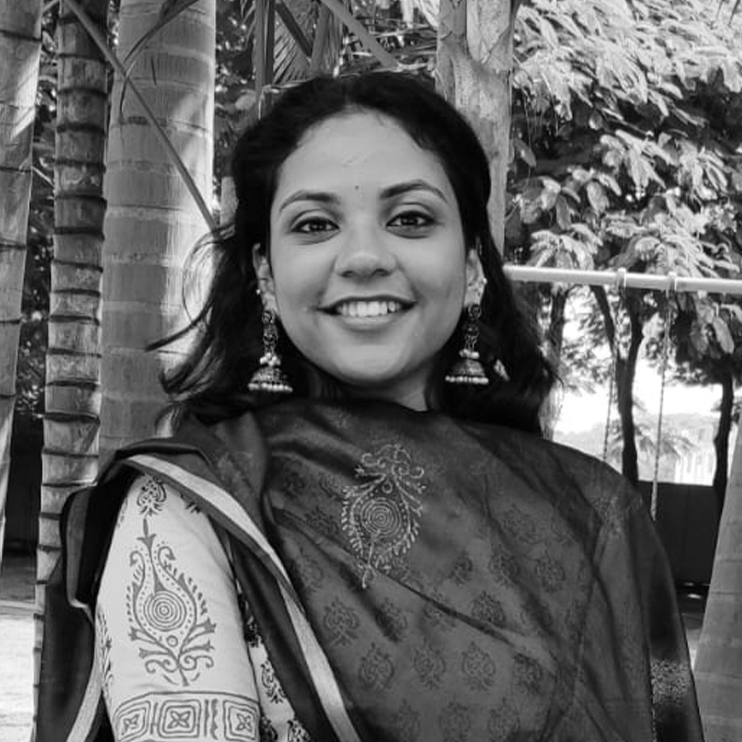
A Mother’s Promise: Indira Bodani's Mission Build Pathways for Struggling Learners
Indira Bodani did not set out to become a philanthropist. She set out, like so many parents do, with something far more modest and far more daunting: the hope that her child might be understood. In 2001, when her son, Yuvraj was just two years old, a cascade of diagnoses upended their life in Mumbai. Epilepsy, cerebral palsy, and learning challenges would come to shape every assumption Indira held about her son’s future.
Refusing to accept the limits of what was immediately available, Indira and her family were drawn to the promise of emerging therapies and what early intervention could make possible. Indira and her family made a difficult decision: to leave home and move to the United States. In Manhattan, far from home, she found herself navigating a labyrinth of appointments, assessments, and unfamiliar language: neurologists’ reports, therapists’ schedules, educators' instructions.
Determined to give her son the best care and support, she spent a decade learning what systems can do when they are built with intention. She jokes that she “earned her own PhD” in those years, but it was a degree forged by instinct, courage, and the fierce desire to understand her son Yuvraj in the fullest way possible.
Somewhere along the way, two truths took root so deeply they would never leave her. The first was that the right, timely, rigorous interventions can change the course of a life of a child with special needs. The second was that parents are not bystanders in this process, but the most crucial experts on their children, serving as respected partners in the entire process.
When Indira returned to India, those truths followed her home, and collided painfully with reality. The quality of support she had come to rely on was scarce. She observed how families did what they could, patching together solutions, hoping something would stick. She could not ignore the uncomfortable fact that her own journey had been made possible by privilege. When friends urged her to share her experience with others, she refused. “That would be showing off. The day I can bring that quality to the doorstep—to any family, from any background, then I will speak.” That day, Indira's resolve evolved from a personal journey to a public commitment.
In 2010, the Keshavlal V. Bodani Education Foundation emerged from that commitment. What began as a response to a mother’s immediate questions gradually evolved into an institution asking harder, more consequential ones: What does meaningful support for learners with disabilities actually look like over time? And what must change for that support to be reliable, dignified, and accessible beyond a handful of families?
Over time, the vision of the Foundation has unfolded through four interlinked strands of strategic solutions. Rather than offering fragmented interventions, it has focused on building pathways that accompany learners across stages of development, recognizing that disability is not a moment to be addressed, but a lifelong reality to be supported. Philanthropy shaped in this way, carries a formative value. It helps demonstrate what is possible when care is treated as infrastructure.
A School That Began as a Promise
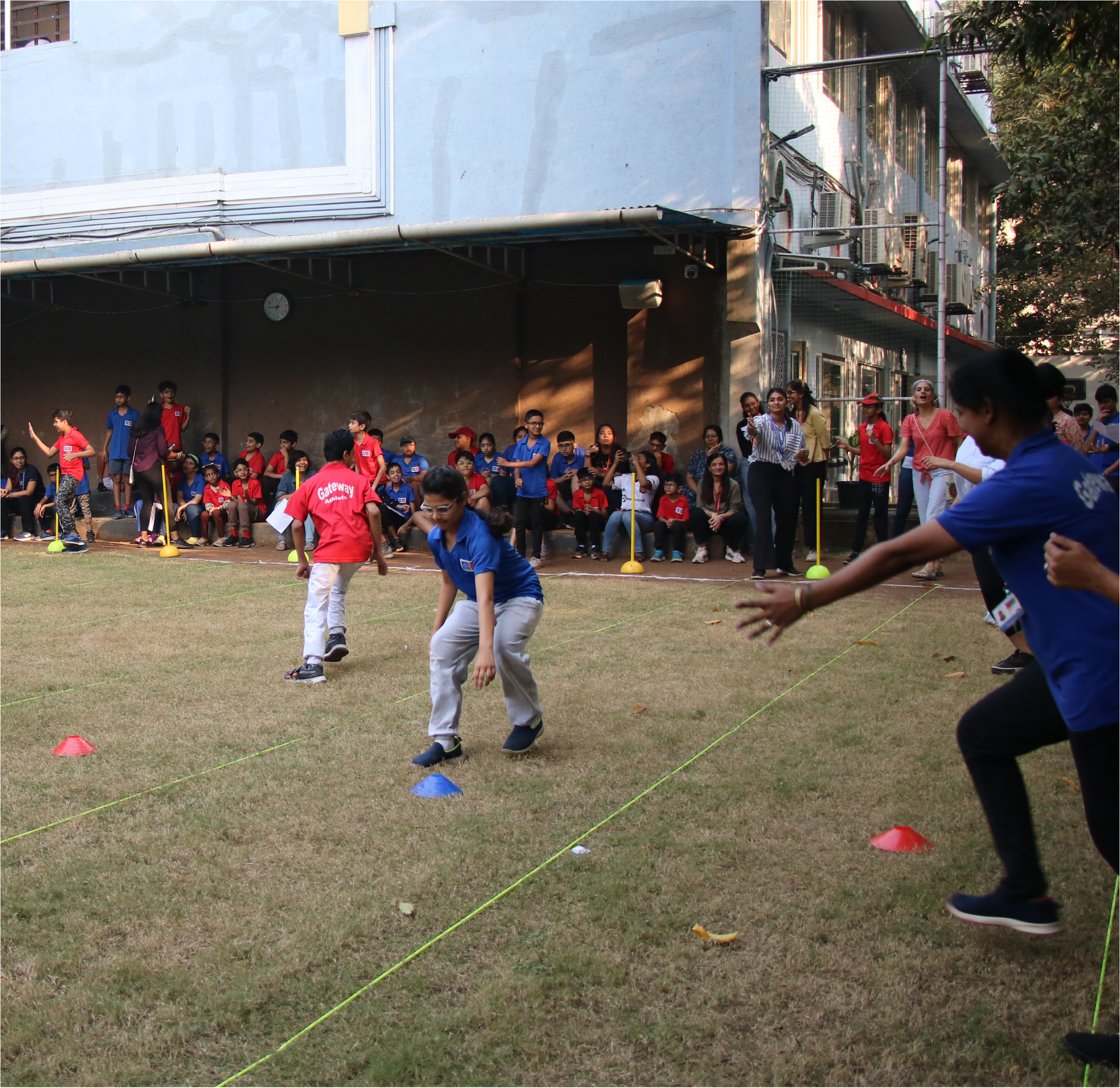
When the Gateway school first opened in 2012, it felt like something altogether new entering Mumbai’s education landscape. Designed to learn as much as it taught, the school had a clear purpose: “It should not matter whether you are a food vendor, a domestic worker, a CEO, or a state leader. If we can serve your child, we are here to serve your child.” Today, the school provides a deeply innovative, collaborative, and nurturing learning environment for children with diverse learning challenges and journeys.
How do you build a space where children with diverse learning needs are understood? How do families navigate a system that was never designed with them in mind? And how do you turn personal experience into frameworks that change more than one child’s life? The evolution of Indira’s philanthropic journey through the profess of Gateway School’s mission over the last decade is, in many ways, the long answer to these questions.
Gateway School of Mumbai remains the heart of it, as a place where teachers, therapists, special educators, and support staff worked together to meet each child as a whole person. The school operates with an uncommon clarity: that a child’s learning is the outcome of their entire life context. If a child is hungry, anxious, overstimulated, or unsupported at home, no amount of instruction can compensate. “If there is anxiety, there is no learning,” Indira often reminds her team. Thus, the model has evolved into one where social-emotional well-being, nutrition, family support, and therapeutic intervention are integral to learning itself.
From this model grew The Gateway Intervention Centre (TGIC), born out of a question that arrived with urgency: Where do families go when support cannot wait? Too often, Indira had seen therapists working in isolation, their efforts fragmented despite their best intentions. TGIC was created to gather that care under one roof. Within its walls, occupational therapy, speech and language therapy, and counselling are offered not as disconnected services, but as parts of a coherent whole. Nearly 200 children and adults have benefited from participating in individual and group sessions designed to restore both capacity and confidence. At its foundation lies the Early Intervention Program, grounded in the science of early brain plasticity and in something equally vital: the relief families feel when they find a community that understands their fear, and resolves it with them.
But caring well for children also demanded caring for those who teach them. The Gateway Professional Development Programs emerged from the recognition that systemic change cannot outpace the people asked to carry it. Through hybrid learning formats, these programs build the capacity of teachers, parents, and professionals across India and beyond—from Mumbai to Dubai to Thailand. Over 362 educators have participated so far, many earning the Cambridge International Diploma in Teaching and Learning.
Finally, the work turned toward the system itself, through The Gateway Research & Outreach Cell. This is where compassion meets evidence. The Cell’s most significant innovation, FABLe, is a homegrown, mobile-based benchmarking assessment, free of cost, rooted in Indian realities, and available in English, Marathi, and Hindi. Used by dozens of schools and organizations and thousands of students, FABLe was created to be placed in the hands of those who need them most. Alongside this, the Research Cell is also currently undertaking a national study on inclusion, looking closely at how schools across India understand and practice inclusion from the ground up.
A teacher works one-on-one with a young learner at The Gateway School of Mumbai
“Indira imagined a school that would be an extension of each child's home, a place where each child is known for their strengths and is truly at the center of what we do. As the foundation has grown, we are now serving individuals from birth to adulthood with the same ethos in mind. Over the years, we have grown with our learners, to provide features from seeding early interventions to building livelihood pathways. Indira's vision, passion and determination have been the driving force behind every initiative.”
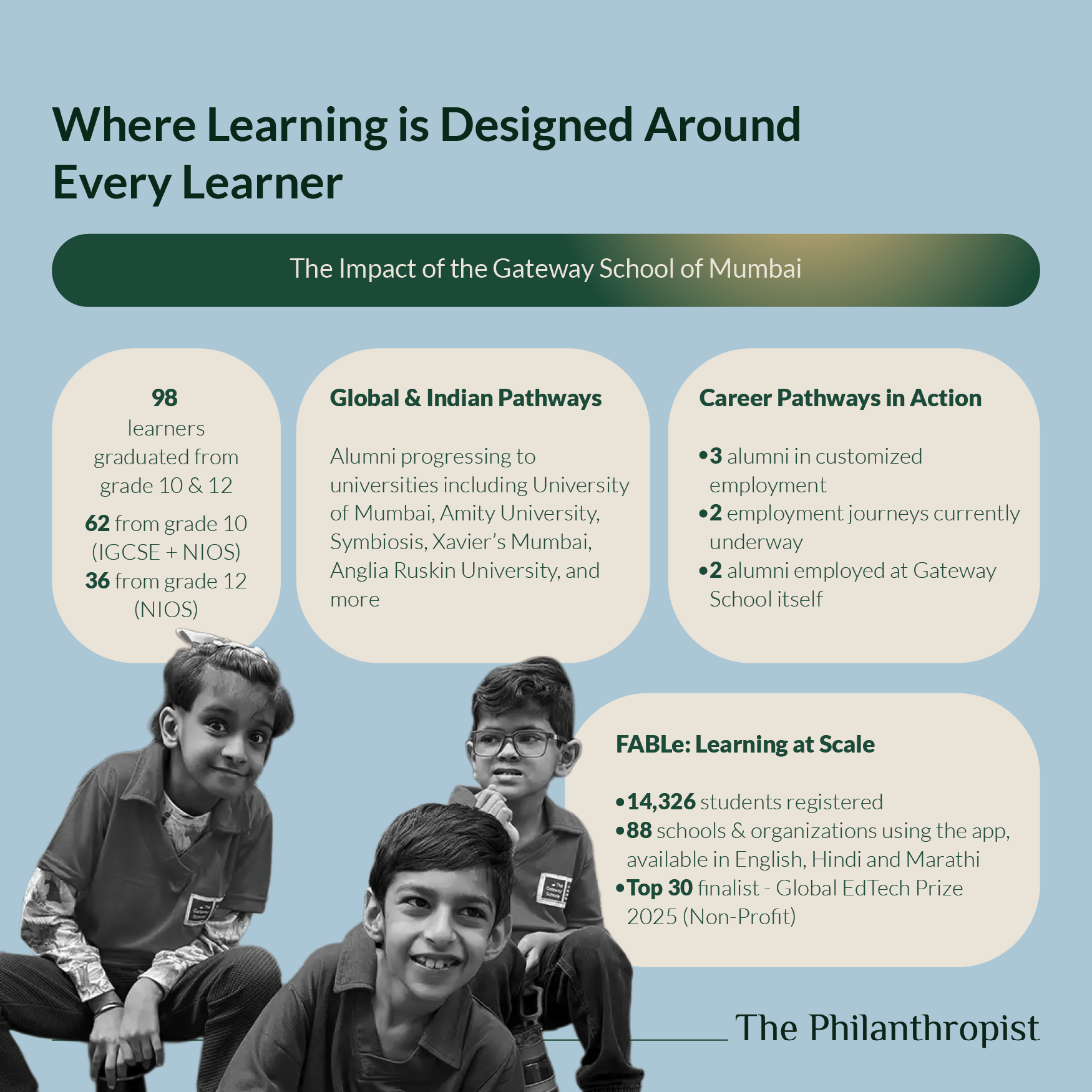
How the Gateway School of Mumbai translates inclusion into outcomes, pathways, and impact
The Long Work of Learning
Walk through a day at Gateway and you will see something unusual for most Indian schools: learning that does not begin with textbooks, but with observation. “A child’s posture, how they enter a room, the way they respond to transitions, the rhythm of their breath during activities can reveal so much about how children are learning, and struggling. In turn, it must also inform how they should be cared for.” If a child cannot regulate their body, assess their physical environment, or manage sensory input, they cannot meaningfully access academic content. Therefore, Indira focused on readiness first: core strength before handwriting, emotional regulation before math facts, communication before syntax. “It is slow work, and it demands patience. But it rejects shortcuts, because that’s what it takes to care deeply. As a philanthropist, that’s my job.” And it is precisely this slow, grounded work that changes trajectories.
Over the years, Indira has developed a set of convictions about what genuine inclusion demands. They are shaped by the day-to-day realities of children, families, and professionals working inside India’s fragmented disability landscape. One of her earliest observations was that most systems supporting children with disabilities operate in silos: therapists work apart from teachers, teachers apart from specialists, and families somewhere on the margins. Gateway’s multidisciplinary model works consistently to replace hierarchy with shared responsibility and treats collaboration as the central operating principle.

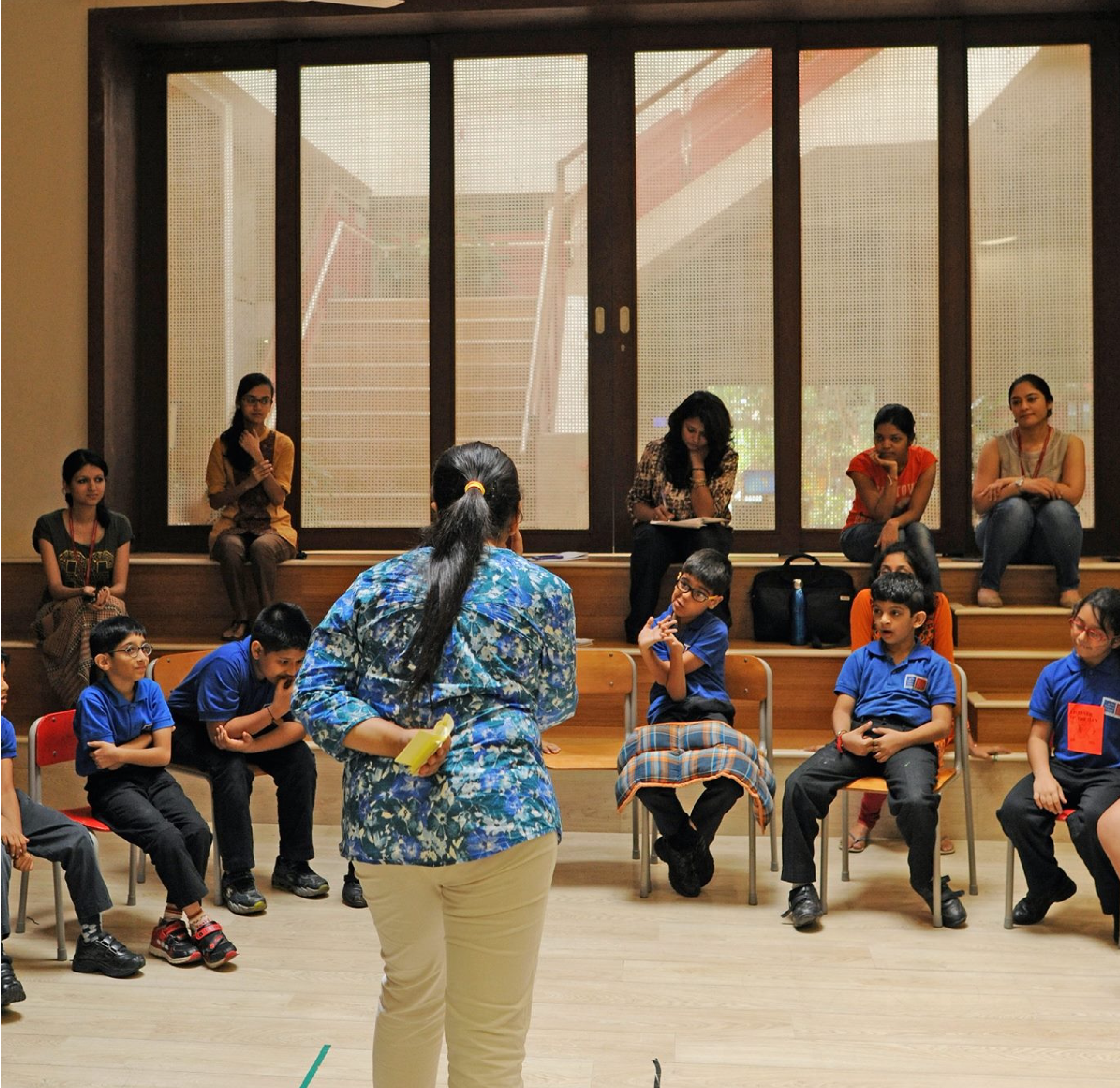
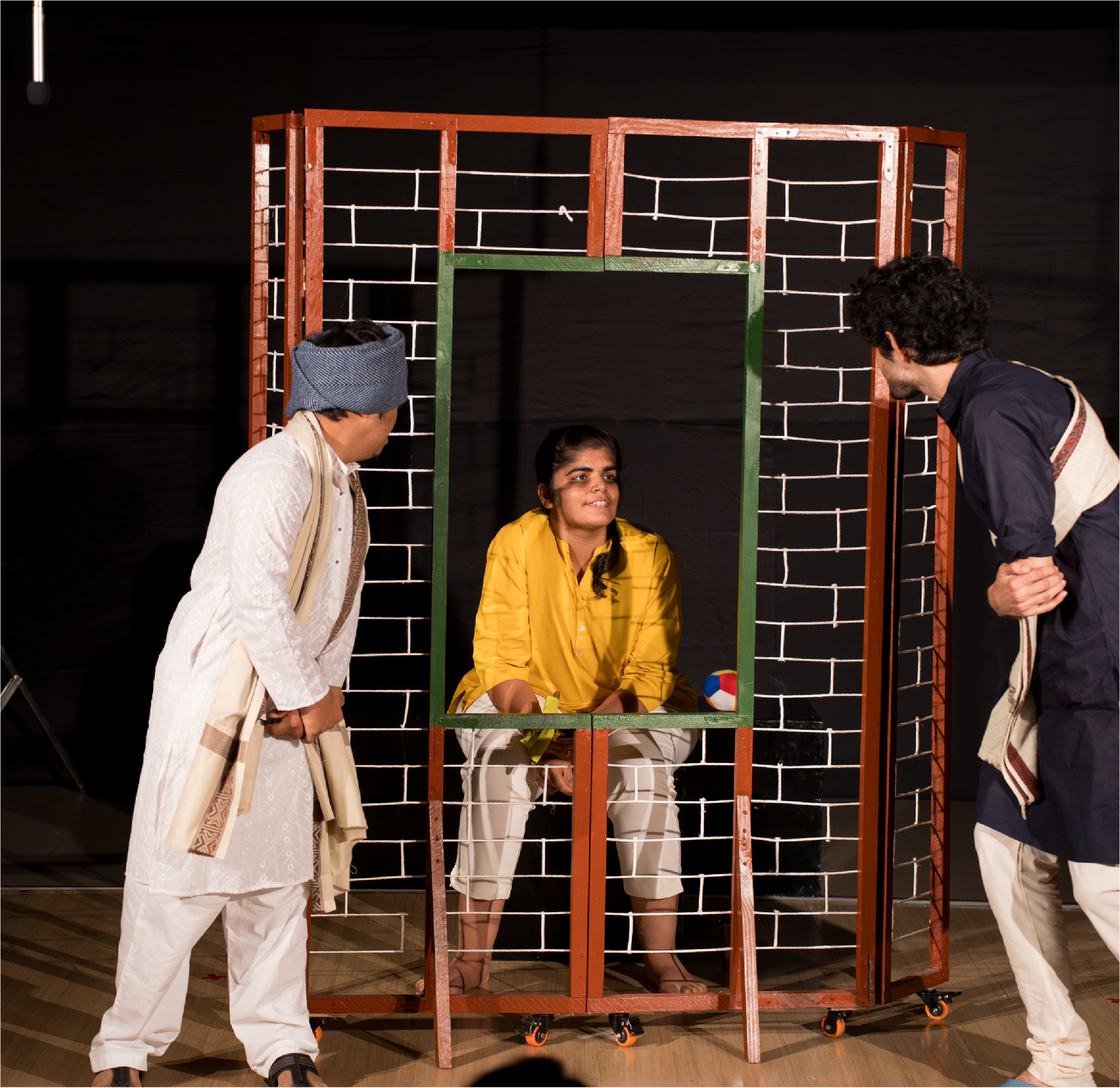
A moment from a student-led theatre performance at The Gateway School of Mumbai

India@2047: A Mother’s Vision
Indira speaks about India’s future with the steadiness of someone who has learned, over many years, how to hold urgency without surrendering to haste.
Looking ahead, Indira’s focus returns consistently to young adults navigating the fragile bridge between education and independence. The Career Path Program sits at the heart of this vision, supporting neurodiverse learners to build life skills, discover their strengths, and access the world of work through real-world exposure. But for Indira, inclusion does not end with placement. It means customized employment: roles shaped around a learner’s abilities and aspirations, and an organization’s genuine needs, leading to sustained, dignified livelihoods.
Yet work is only one dimension of independence. Indira’s vision for India@2047 also confronts the everyday barriers that quietly limit freedom—transport without ramps, public spaces without elevators, streets designed for only one kind of body. These are not exceptional failures; they are systemic ones. Her expectation is clear: accessibility must be built into public infrastructure by default. If access has to be requested, she insists, exclusion has already occurred.
Underlying this vision is a conviction about philanthropic responsibility. Lasting change, Indira believes, happens when privilege is used to build and share models of quality, that demonstrate what is possible and can be adapted at scale. The long arc of the family’s philanthropy is oriented toward a future where independence and universal access are embedded into systems themselves, no longer negotiated case by case.
Listening to her, it becomes clear what she is really building. A world she once needed and could not find. A world arranged around the logic of care rather than convenience. Her vision for India@2047 is ambitious, sure. But it also feels deeply familiar, drawn from the same promise countless mothers make. And if history has taught us anything at all, it is this: mothers are remarkably good at keeping their promises.


YOU MAY ALSO LIKE
Read more

Read more

_374152232.png)