Where Two Lives Meet: Sapphira Goradia on Her Family’s Long Arc Toward Equity
When Vijay and Marie Goradia each left India to begin new lives in the United States, they stepped into a story familiar to generations of immigrants—one stitched together with the hope of reinvention and the ache of leaving home. Like many who have crossed oceans before them, they arrived with little more than determination, a willingness to work hard, and a belief that opportunity, if pursued with discipline, could redraw the contours of their destiny. But where their story drifts away from the ordinary, is in what they chose to do with that journey.
Their daughter, Sapphira, often recalls Marie’s reflection on what she called “the two lives” —a phrase that captures, with elegant simplicity, the dual sensibility that defines so much of the global Indian diaspora. One life is shaped by a new country’s adventure: its freedoms, its dizzying autonomy, its promise that anything might be possible. The other life is anchored in memory: the pull of childhood lanes, the resonance of family rituals, the enduring sense of responsibility to people and places left behind.
Vijay and Marie learned to inhabit both lives with equal devotion. Every milestone in America only deepened their awareness of how much opportunity can impact a life—and how unevenly that opportunity is distributed. And so did their giving begin, as many diaspora stories do, in humble ripples: a donation passed along through a friend, support for a school in their hometown, help offered wherever need revealed itself. By the early 1990s, the Goradias had established a grounded, grateful existence in the US, and soon, the giving instinct soon hardened into habit. And habit, in time, grew into something far more deliberate.
Committed to strengthening access to healthcare, building educational pathways, and addressing India’s most persistent social challenges at their roots, the Vijay and Marie Goradia Foundation has emerged from this deepening instinct. And for years since, Vijay and Marie have been lighting pathways for Indian diaspora in the US. Today, as their daughter Sapphira leads the foundation, the Goradia story offers something larger than a family narrative.
To trace the Goradia Foundation’s journey is to witness how systems can be nudged toward repair, how longstanding imbalances can be unstitched with patience and imagination. It is inspiring to note how something as significant, started just as simply. Two people left home to build a life. They found success. And they chose to turn gratitude into responsibility, responsibility into action, and action into a legacy that stretches quietly, steadily, across oceans.
Building Agency at Scale: The Next Chapter of VMGF
Sapphira grew up watching her parent’s philanthropy as a daily practice. At home, she saw them wrestle with decisions, interrogate assumptions, and refine their approach over time. Those lessons stayed with her. They offered her apprenticeship in what responsible philanthropy demands: engagement, humility, and a willingness to evolve.
By the time she stepped into the role of Executive Director, Sapphira carried with her a question shaped by years of observation: How does one move beyond generosity toward real shifts in opportunity? This question now anchors VMGF’s work with communities that face the deepest, most inherited forms of exclusion. The focus is an intentional acknowledgment that agency is most fragile where systems have failed most persistently. Under her leadership, VMGF’s evolution has been marked by sharper purpose. Health and education, have become strategic pillars, recognized as fundamental levers for building human agency. “The goal,” Sapphira often says, “is to enable people to make choices that shape their own futures.”
What distinguishes VMGF today is not only what it funds, but how. The foundation has embraced a trust-based approach grounded in respect of local leadership and deep, context-aware partnerships. Rather than prescribing solutions, VMGF chooses to accompany organizations rooted in community realities, with those closest to both the challenges and the insights.
This ethos shapes every partnership. Curiosity replaces certainty; relationships outweigh transactions. “We must remain willing to be wrong, to adapt, to listen,” Sapphira notes about the philosophy that has become VMGF’s operating discipline.
This approach has not gone unnoticed. Sanjeev Arora, founder of Project ECHO, reflects on VMGF’s partnership with rare admiration. “VMGF is one of the most thoughtful and impactful collaborators I have worked with anywhere in the world,” he says. He describes Sapphira’s support as a blend of rigorous due diligence and a values-driven commitment to improving healthcare and education at scale.
In many ways, this is the Goradia legacy coming into full expression: a journey that began with gratitude, and today is defined by a clear, steady commitment to strengthening agency at scale.
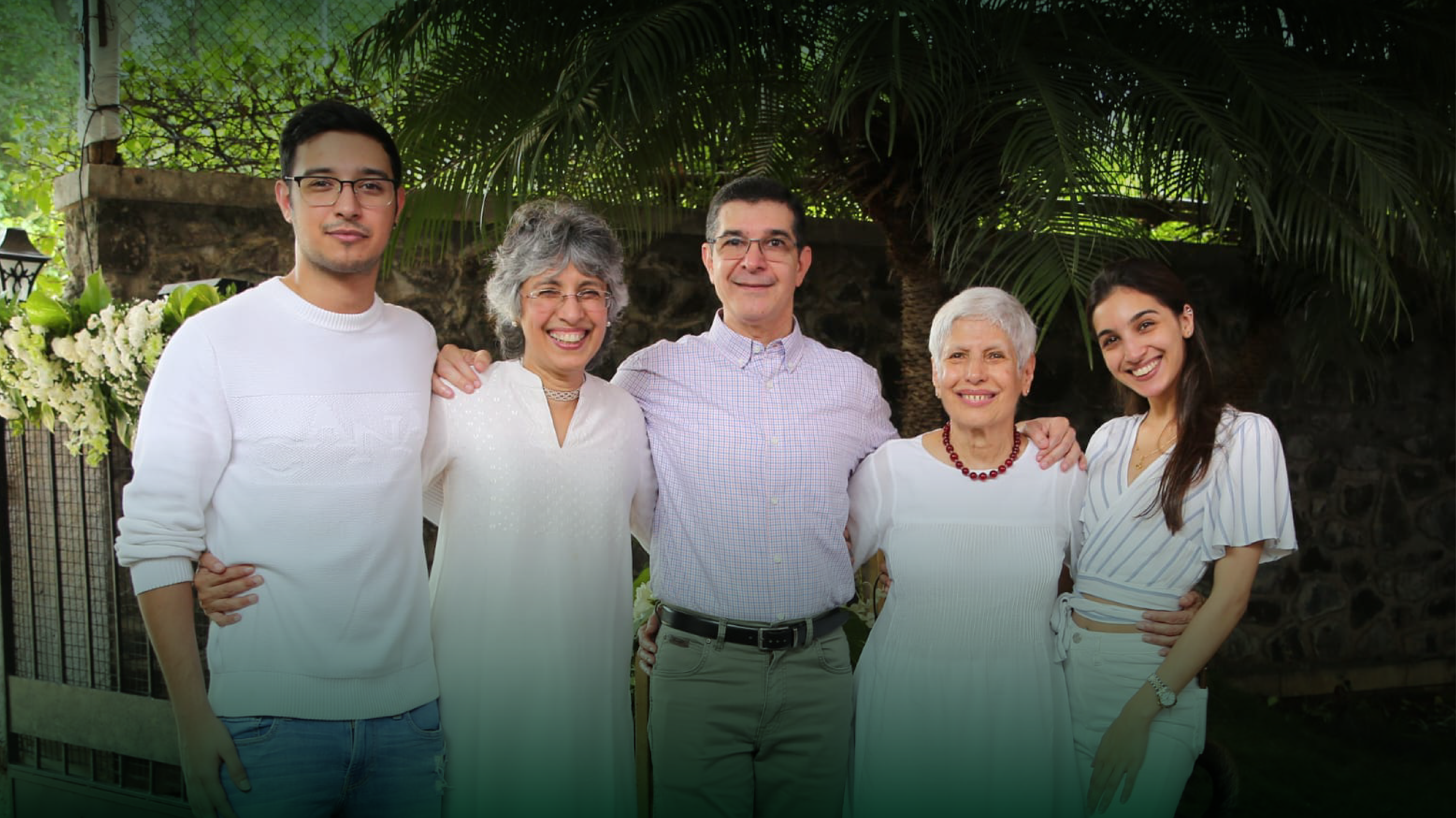
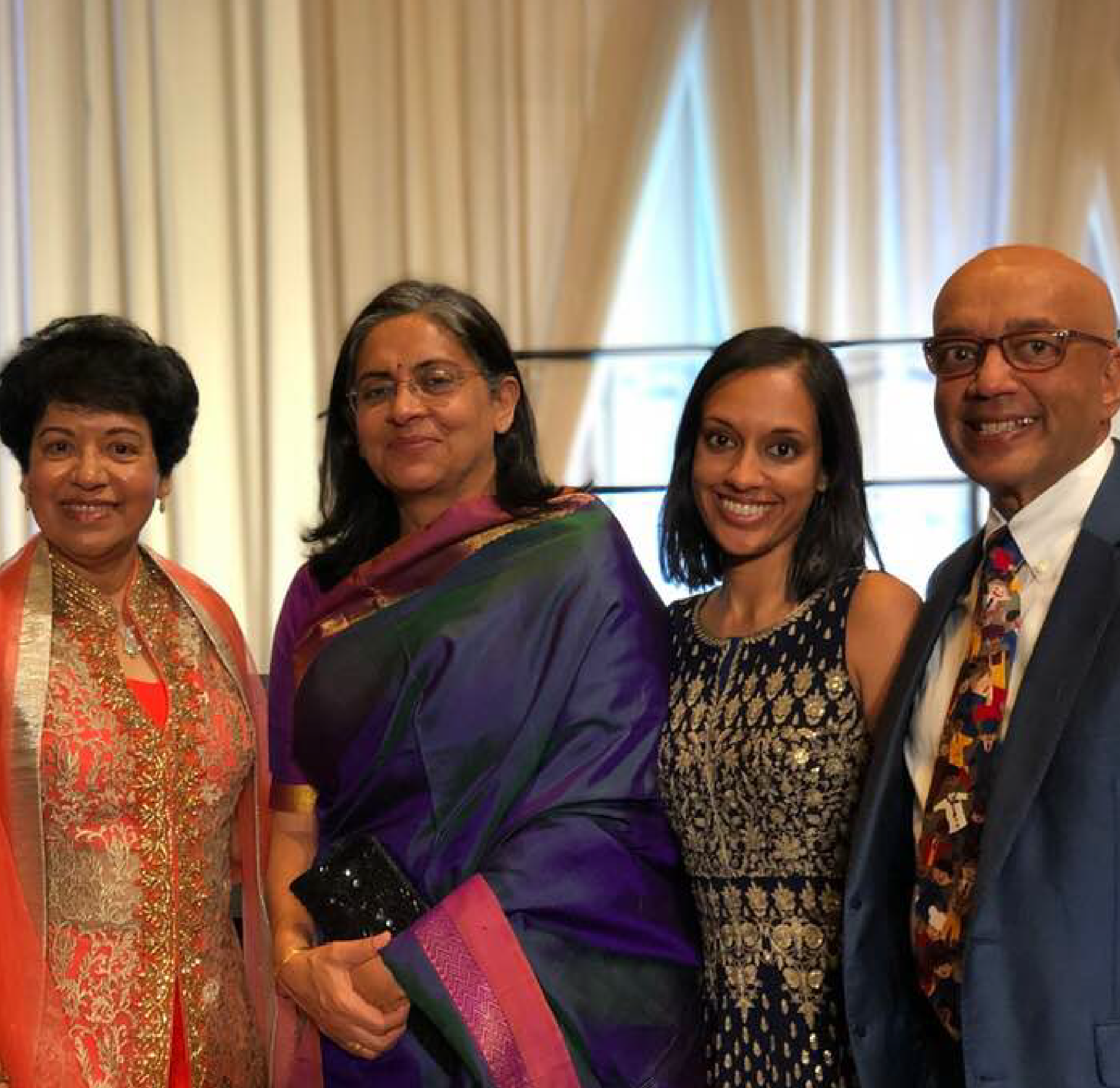
Vijay and Marie Goradia with Sapphira Goradia Shaw during a community visit
“Sapphira is not only a funder but a true partner and champion - she stays engaged, asks hard and important questions, offers strategic guidance, and has proactively introduced us to other funders who have since joined this work. Her unrestricted support is a powerful expression of trust in our mission and leadership, and it has been catalytic in allowing us to innovate, grow, and respond quickly to the needs we see on the ground.”
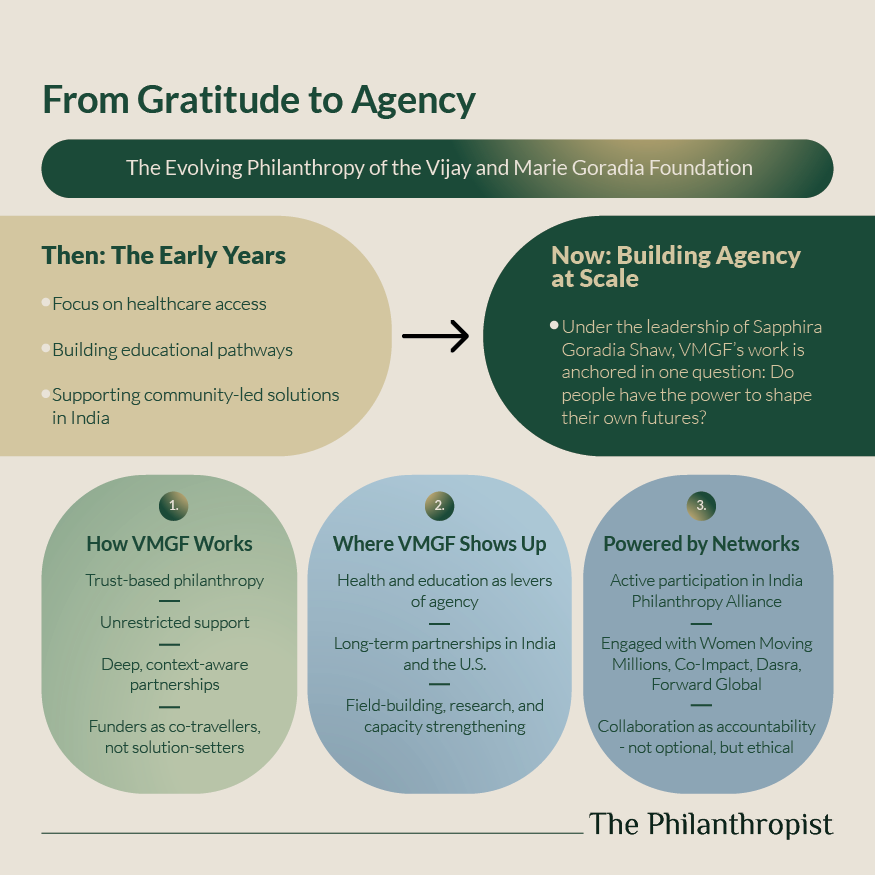
An overview of VMGF’s approach - trust-based, network-powered, and focused on building agency at scale
Evolving with the World
“How must our philanthropy shift as the world shifts around us?” Sapphira asks, as she thinks about the systems evolving, inequities deepening, and communities facing new pressures long before institutions learn to adapt. “We rarely have simple answers,” she admits. “What we do have is a commitment to stay grounded in what we’ve learned, while staying open to what the world is teaching us.”
Under Sapphira’s leadership, VMGF has grown more confident, more collaborative, and more anchored in the belief that real progress is rarely the result of singular effort. The post-pandemic world accelerated this evolution. As inequities widened across borders, Sapphira led the foundation to expand its portfolio, continuing its deep engagement in India while adding research, field-building, and capacity-strengthening efforts in the United States. The foundation now partners intentionally with funders, platforms, and intermediaries, aligning strategies rather than replicating them.
This shift is rooted in a principle Sapphira considers non-negotiable: collaboration as a form of accountability. “To think we can solve global issues alone feels like hubris,” she reflects. “If we are serious about impact, then working with others becomes an ethical obligation.”
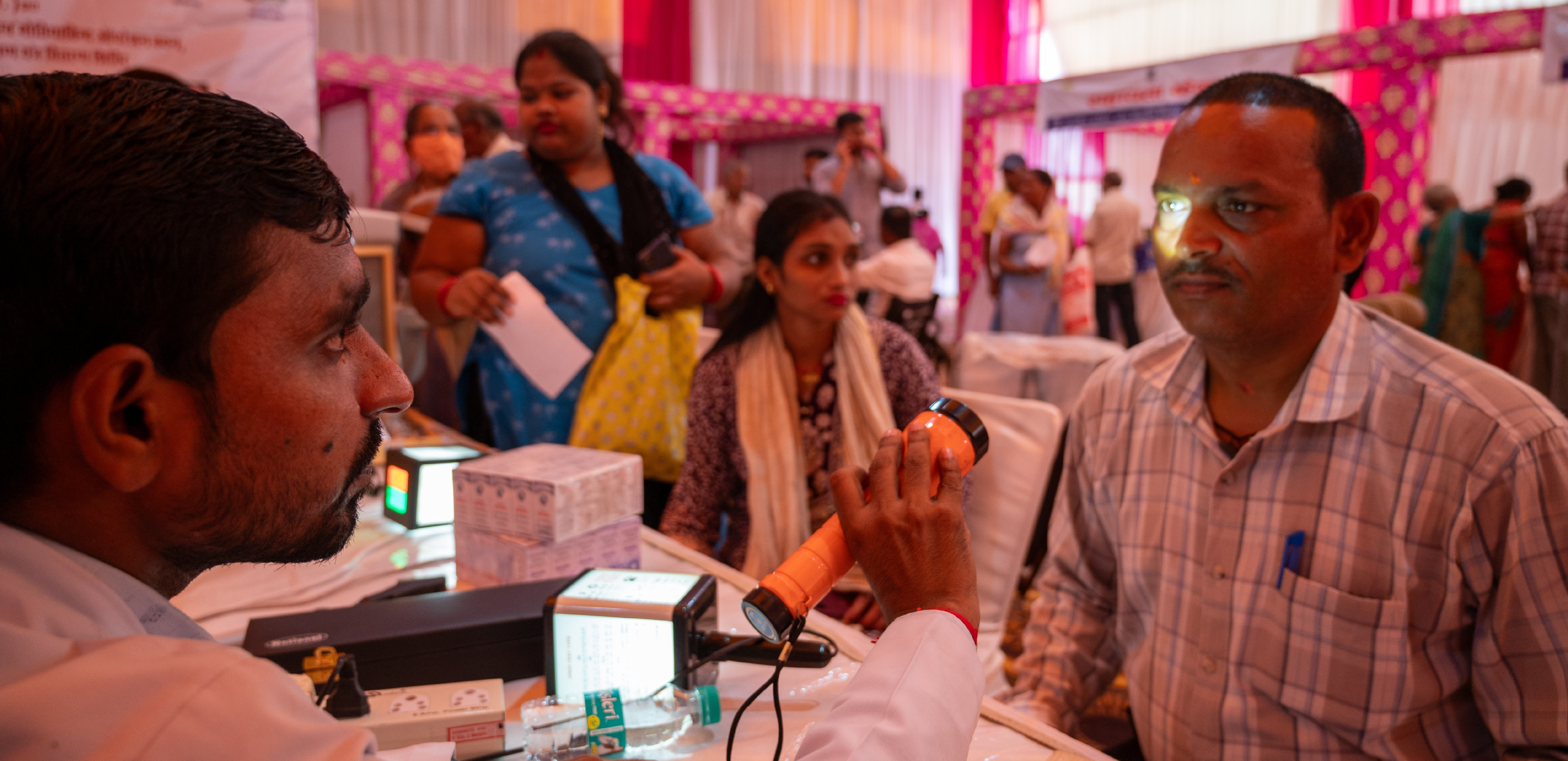
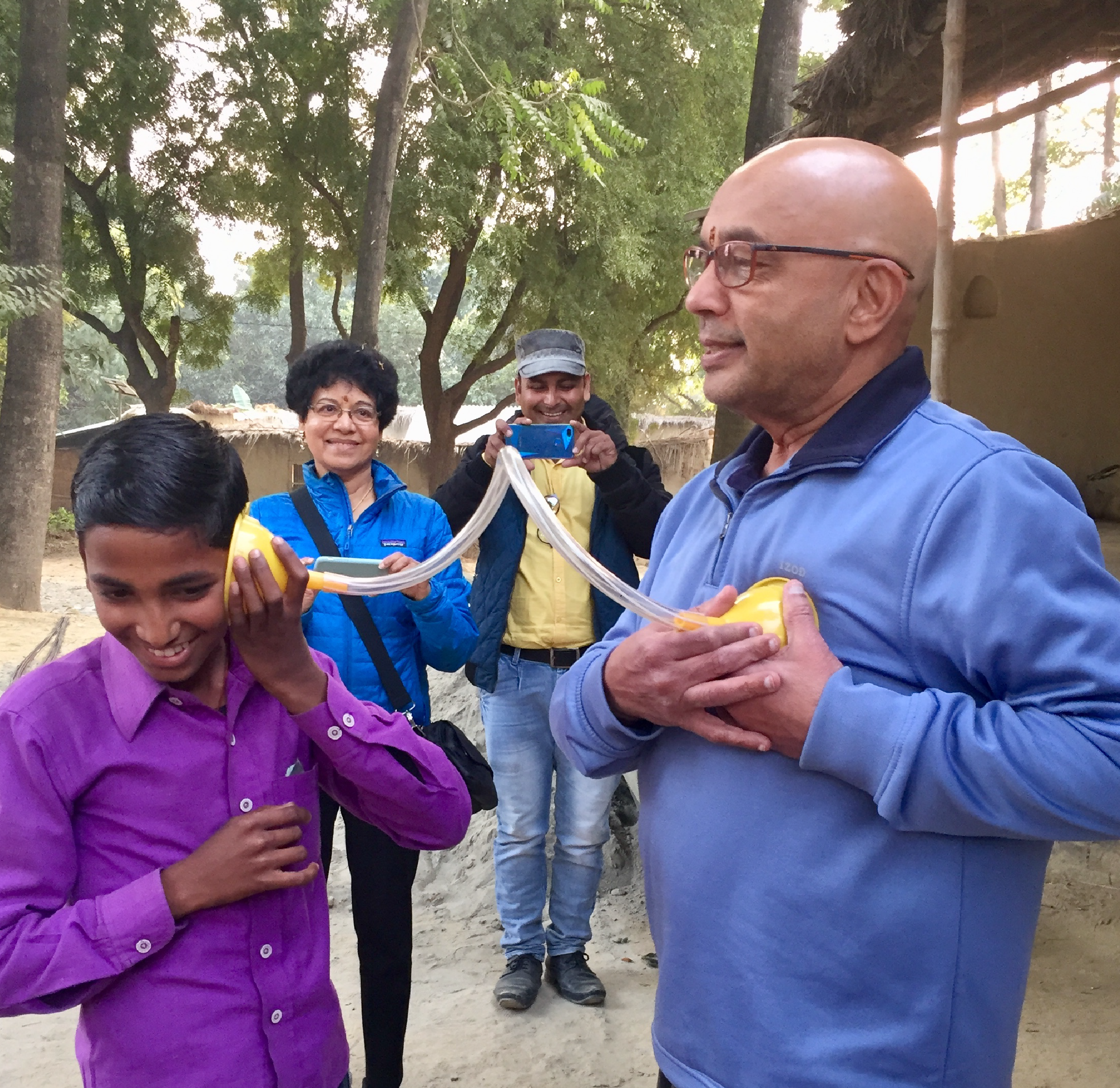
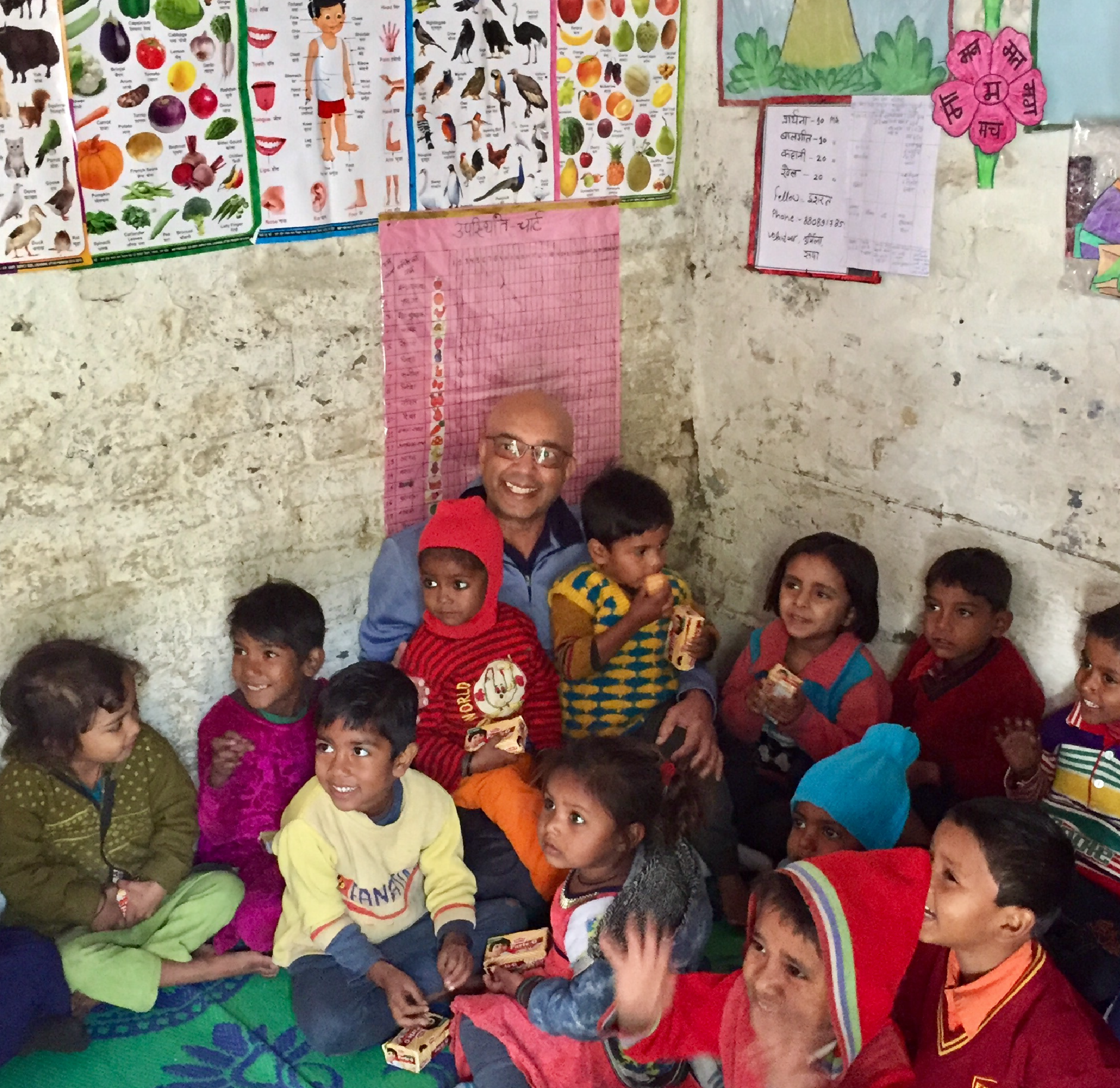
Under VMGF’s focus, community-based healthcare becomes a critical lever for building human agency
The Power of Being Seen
There is a particular clarity that comes when one has lived, even briefly, on the margins of power. “I cannot say objectively that being a woman has informed my philanthropy, because I don’t know what it’s like not to be one. But I do know what it’s like to be overlooked, marginalized, or discounted. When you’ve felt invisible, you understand why visibility matters.”Shannon Paz, CEO of Antara International, notes how this commitment translates into practice. “VMGF has been a true partner for Antara. Sapphira embodies this partnership, by offering her knowledge and expertise about fundraising and the philanthropic ecosystem, making connections to other funders, supporting our positioning, and raising awareness about our work. She asks insightful questions about the work on the ground that prompt us to consider and refine our approach, with the shared goal of efficient and lasting impact.”
Manisha Bharti, CEO of Pratham USA, has watched the arc of the Goradia family’s philanthropy long enough to recognize both its roots and its quiet reinvention. “Vijay and Marie were among the earliest diaspora philanthropists to show what trust-based giving could look like, at scale,” she reflects. “What Sapphira is doing now builds on that legacy with remarkable intentionality. Her leadership is strategic, partnership-driven, and deeply respectful of what organizations are trying to achieve.”
What stands out to Manisha most, is the posture. “When a funder begins by asking, as Sapphira often does, ‘how can we be most useful to your mission?’ It changes the entire dynamic. That kind of trust expands what becomes possible. It emboldens our ambition, because we know we are building alongside a partner who sees our success as intertwined with their own.”
The Future Depends on How Philanthropy Listens
When Sapphira imagines India@100, she does not picture a nation racing breathlessly into its next century. She envisions something steadier, more hard-won: a country that has finally learned to look unflinchingly at the inequities woven through its own tapestry, and to begin the painstaking work of unpicking them thread by deliberate thread. In her mind, progress is not measured by the speed of development, but by the widening of a circle in which trust, dignity, and opportunity are shared inheritances.
She has seen, time and again, how a single chance—unexpected, undeserved, almost miraculous in its arrival—can redirect the arc of a life. But she also knows that true transformation cannot rely on miracles. It begins, quite simply, with listening. The communities closest to injustice often carry truths that philanthropy has been too hurried, too certain, to hear. They know where the fractures lie; they know what it takes to mend them. The role of philanthropy, Sapphira believes, is to listen without the impulse to tidy, to translate, or to claim understanding too quickly.
This is where her conviction sharpens to a fine point. “Survival is the bare minimum,” she says. The real work, the work that lasts, requires harder questions: not What do people lack? but Do they have the power to shape the futures they imagine for themselves? This is the lodestar that guides VMGF today. It means shifting power where it has long been hoarded, tending to agency where it has been eroded, and trusting the wisdom of those whose lives sit at the heart of the work.
And so, in its own way, the Goradia story comes full circle. What began as a family’s instinct to give back has, over the decades, deepened into something braver and more demanding: a belief that philanthropy is not about grand gestures, but about enlarging the realm of possibility for those who have been excluded from it. Under Sapphira’s steady hand, VMGF is helping reshape the very conditions that determine who may hope for it.


YOU MAY ALSO LIKE
Read more

_1891054289.png)
Read more