Hearth in the Heartland: How Bhansali Family is Bolstering Rural Resilience
In the early years of India’s independence, seven young brothers in Gujarat made a powerful promise: to share a portion of whatever they earned with those who had less, and with the communities that shaped their lives. Over the next sixty years, that promise has evolved into a steady, impactful tradition of giving rooted deeply in the hearths and heart of rural India.
From helping build schools in remote villages to ensuring clinics could stay open through difficult seasons, their philanthropy has always focused on meeting essential needs with dignity. What began as a personal promise has grown into a sustained effort to strengthen rural resilience, one community at a time.
A Family Ethos, A Lifetime Practice
Growing up in a small town in Gujarat, the seven brothers and their three sisters learned early what it meant to stretch every rupee of their father’s modest income. Yet, within those constraints, their parents were abundant in belief: in the dignity of work, the power of education, and the duty to share. Ashok recalls that the Bhansali family’s lifelong dedication to giving can be traced back to those humble beginnings: “If God has been kind to give us a little bit of privilege, how can we share that with others."
In the 1950s, Dinesh Bhansali, the eldest sibling, made a personal pledge to contribute 20% of his future earnings to support those with less. “There are people worse off than us,” Ashok recalled his brother's words. “It is our duty to support them. Happiness is more in giving than keeping.” His brothers Mahesh, Prakash, Ashok and the others joined him in this commitment, and as they later built their diamond business in Mumbai, they carried this commitment forward. Over time, the Bhansali family increased their giving from 20% to 50% of the income, and in 1969, formalized this long-standing practice as the Bhansali Trust.
From Conviction to Continuity
Every member of the Bhansali family has interpreted that founding promises in their own way, through building systems and stewardship, investing their time and effort among communities they support, and ensuring continuity of the family’s philanthropic vision.
Mahesh Bhansali, trained as an engineer, also made an equally purposeful choice. At twenty-five, he moved from Mumbai to North Gujarat, where he has spent the last fifty years living and working in rural communities. His long-standing presence reflects a commitment to staying close to the realities on the ground. In Mumbai, Prakash Bhansali helps steer the Trust’s operations, bringing together sound management and a deep sense of care. For the last 20 years, Ashok Bhansali and his wife Shital have spent twelve days each month in rural India: meeting communities, visiting project sites, and listening closely to understand their realities and needs. Together, these reflect a shared commitment to sustaining the family’s philanthropic journey over time.
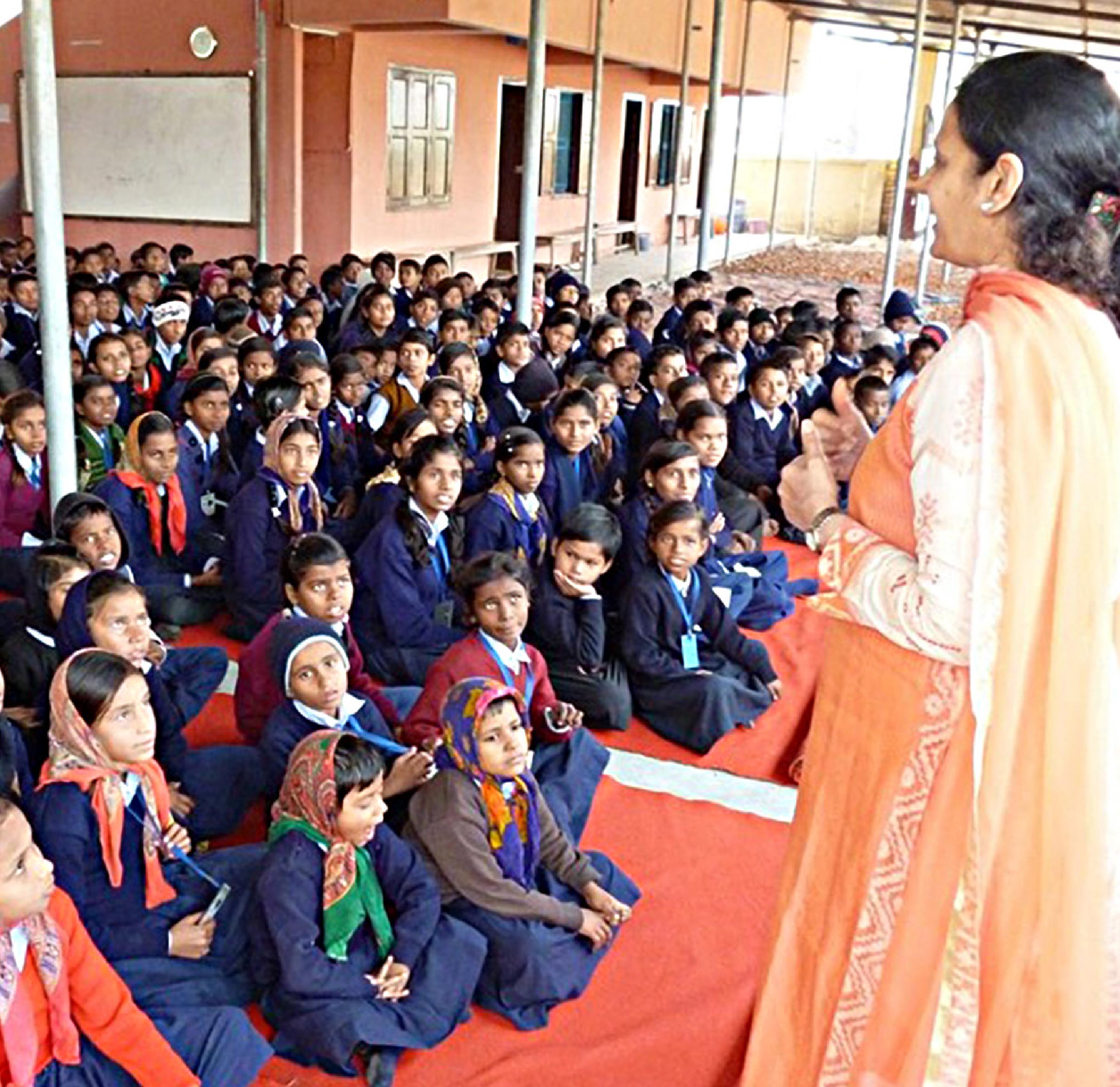
Students at a new residential school in Bagha, located 30 km from Bodhgaya on an 80-acre campus
“If we understand the problem and also the ground reality properly, in most of the cases one can find simple, economical and practical solutions.”
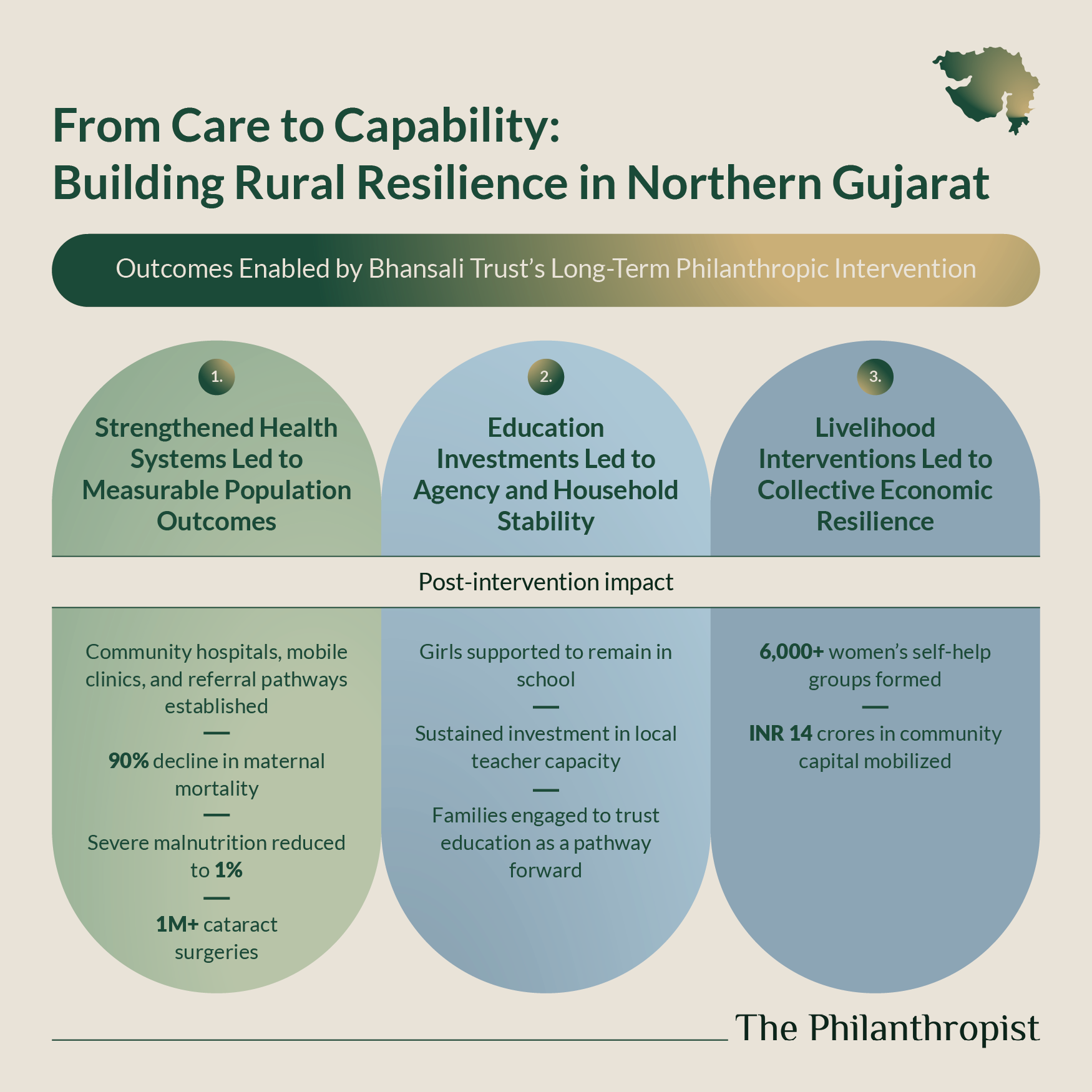
An overview of outcomes enabled by Bhansali Trust’s long-term philanthropic intervention across health, education, and livelihoods in northern Gujarat
Bhansali Trust: What it Takes to Raise a Village
When the Bhansali Trust was established, two questions shaped its early direction: What would it take for a village to become its own center of gravity? And what would development look like if the most marginalized communities, including tribals, women, the poor were given a fair chance at building their own futures? Over the years, this thinking led the Trust to build an integrated approach to rural development, placing health, education, and livelihoods within a single continuum of change. They originated resource-efficient solutions to address local challenges such as deaddiction, eye care and network of paramedics.
By the 1990s, it had sharpened its understanding of how intertwined rural challenges truly were. Health outcomes could not improve without addressing livelihoods. Livelihoods remained limited without meaningful access to education. And education itself often collapsed under the weight of addiction, discrimination, and patriarchy. Working in silos, the family realized, would deliver only short-term fixes. What was needed was a systems approach that respected the complex realities of people’s lives.
In northern Gujarat, this learning translated into decades of work to strengthen rural health, education, and income stability as interdependent levers. Bhansali Trust built a network of community hospitals, mobile clinics, and referral pathways that made early and preventive care accessible across remote villages. These long-term investments contributed to a 90% decline in maternal deaths, reduced severe malnutrition to 1%, and enabled more than one million cataract surgeries that restored sight and with it, mobility and the ability to earn in Bodhgaya, Bihar.
At the same time, it deepened its work in education. It supported girls to stay in school, nurtured local teachers, and worked with families to build confidence in education as a pathway to stability. As more women and girls remained in school, the benefits flowed back into health and income – strengthening family wellbeing in ways that could not be achieved by working sector-by-sector.
Economic resilience grew as another reinforcing strand. Over the years 8,000 self-help groups have supported nearly 300,000 families, and especially women across rural Gujarat to save collectively, escaping debt traps, and building ₹24 crore in community capital. These groups funded small enterprises, helped families withstand financial shocks, and created a social fabric in which health and education were easier to sustain.
Taken together, the Trust’s work formed a single, interconnected system: hospitals that prevented the medical debt that pushed families into poverty; women’s groups that generated the savings needed to keep children in school; education that increased health-seeking behavior; and livelihoods that stabilized households long enough for these improvements to take root. The approach was anchored in patient institution-building and community agency, informed by the Trust’s continuous, long-term presence, and deep local partnerships.
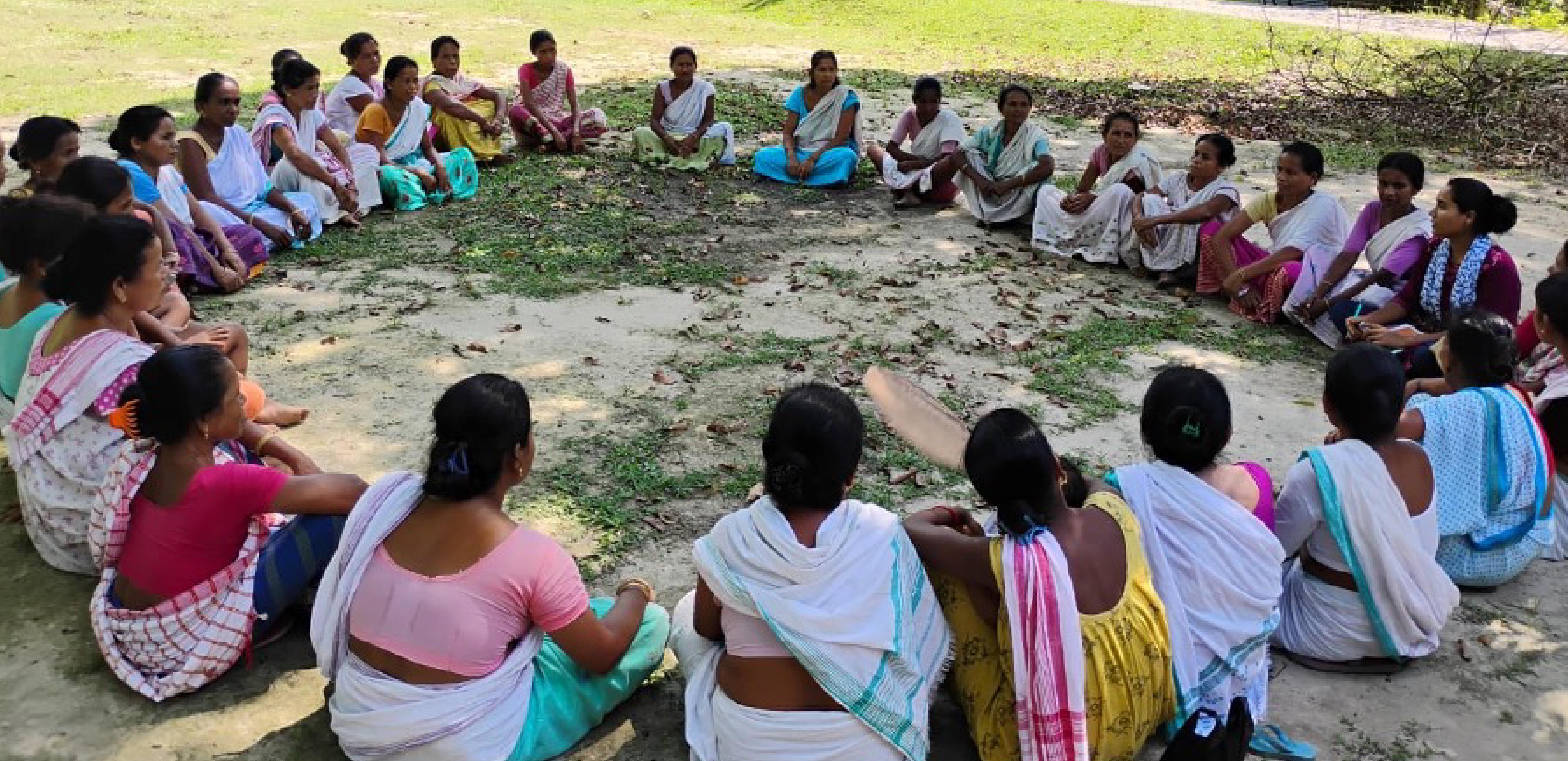
Formation of the Matru Mandali - an elderly women’s collective of 1,762 members - aimed at building awareness within villages and strengthening women and youth
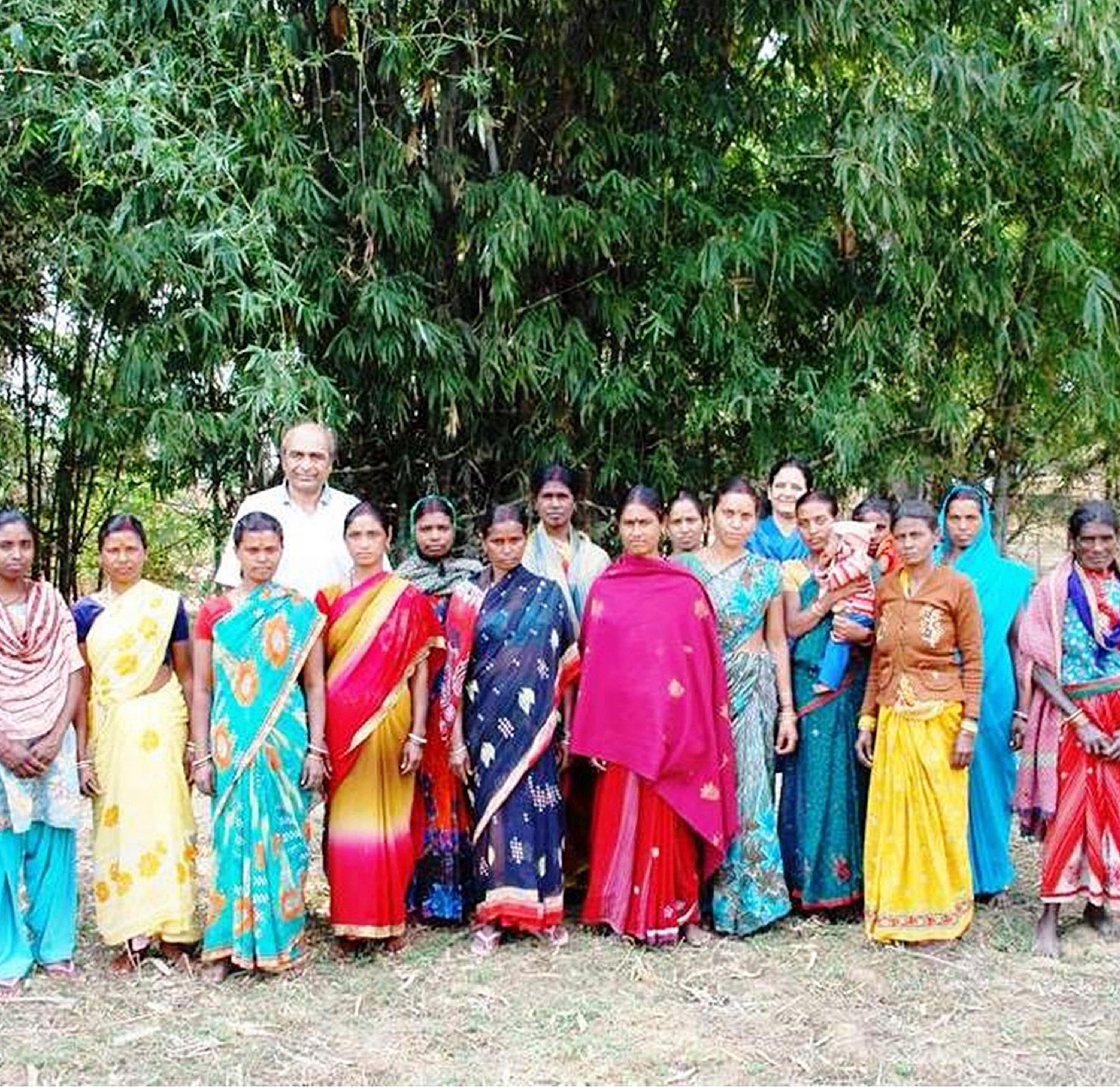
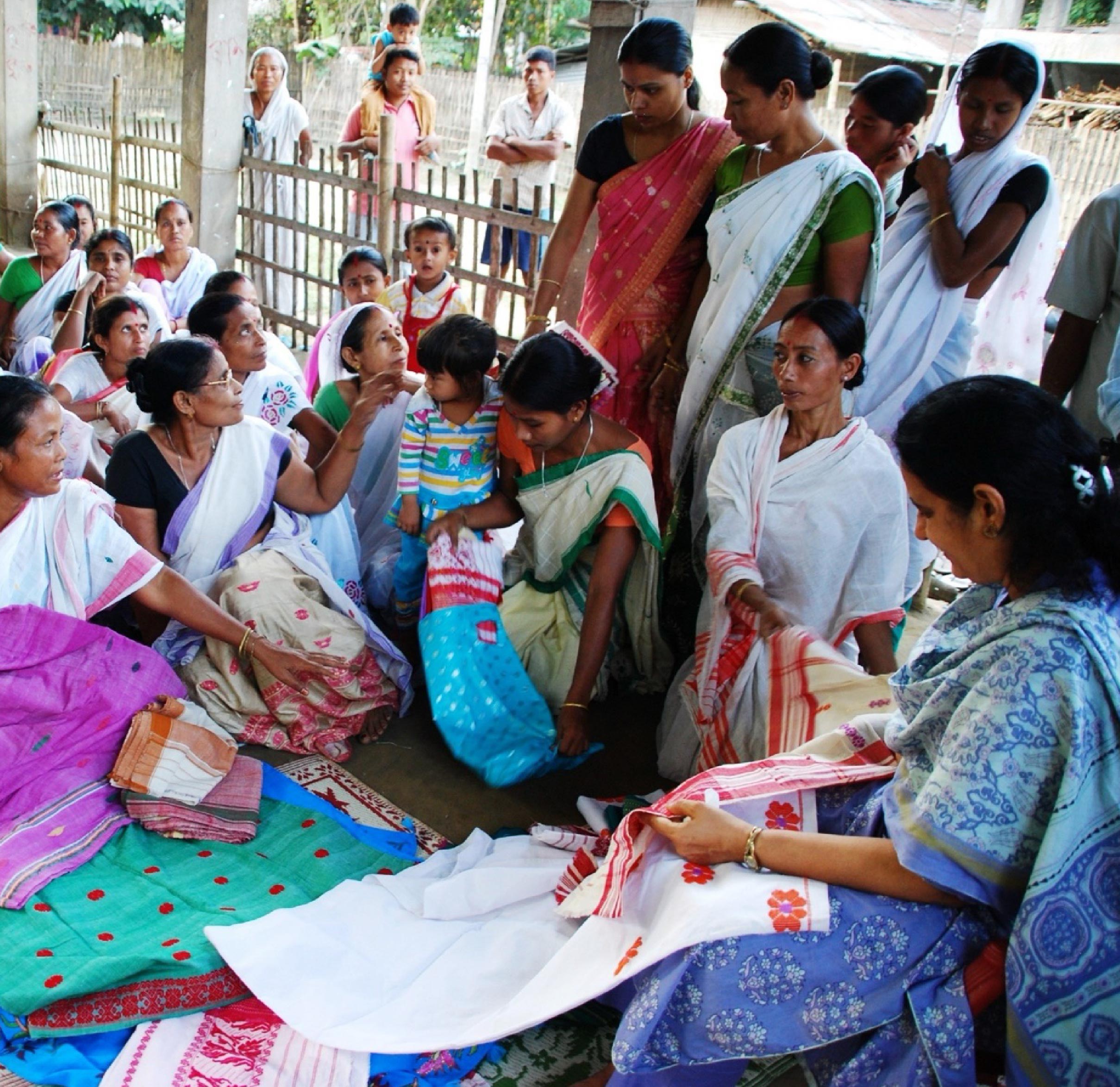
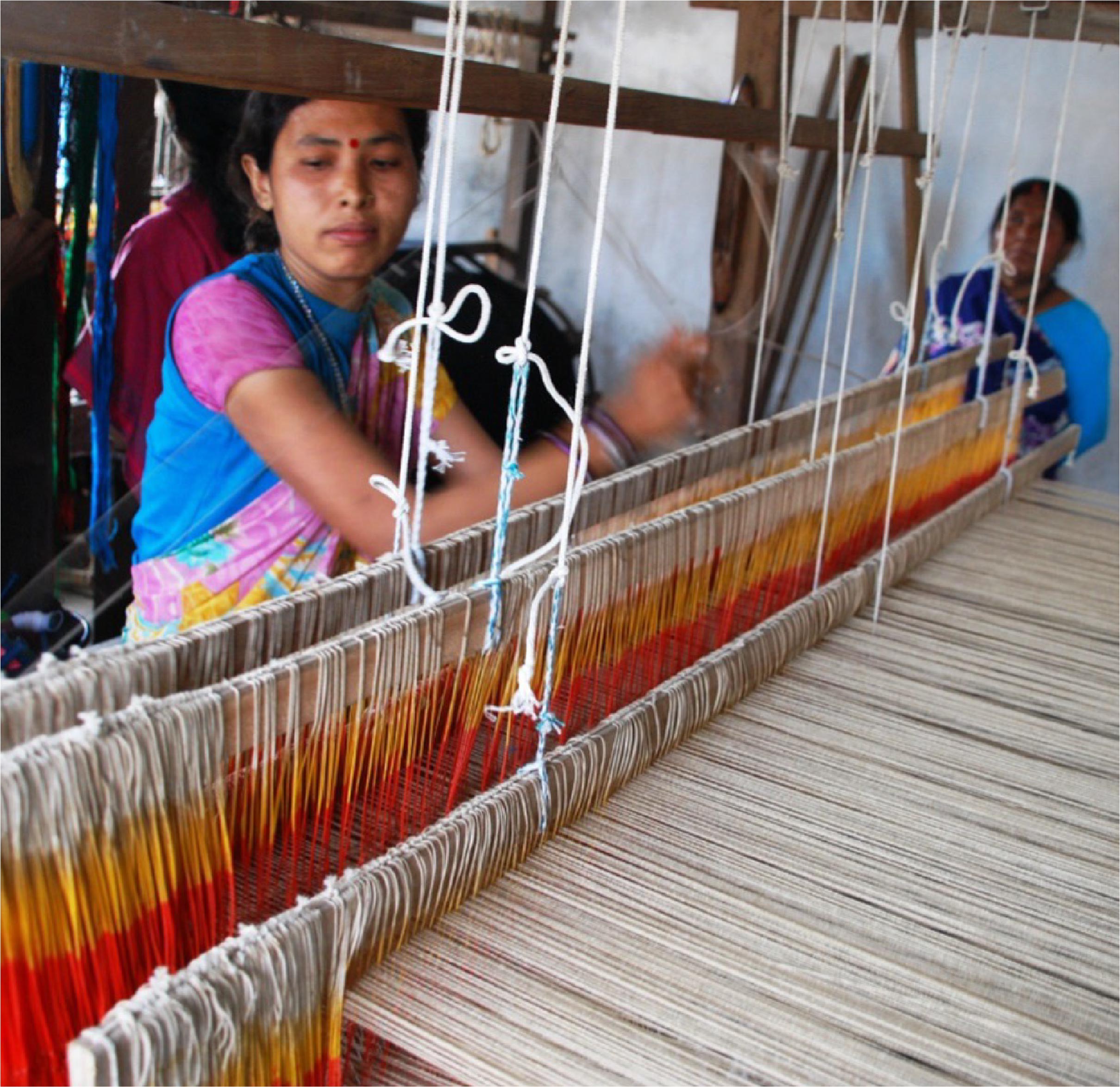
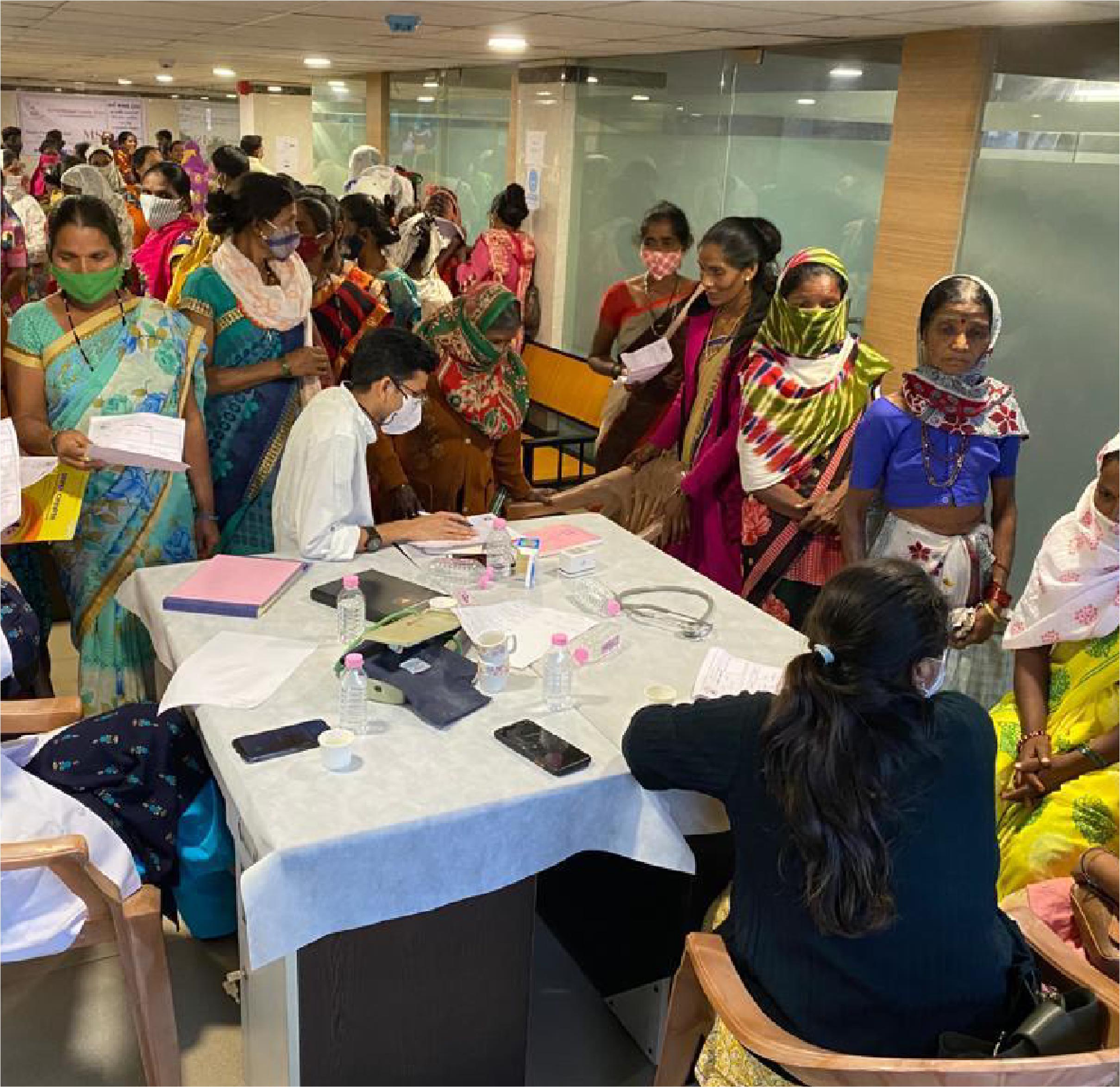
TIDE: The Tribal Pivot
By the early 2000s, the Bhansali family faced a deeper question: How do you support communities so remote that they barely exist on India’s development map? In these geographies, development efforts often struggled, not due to lack of intent, but because the solutions weren’t always aligned with the cultural context, lived realities, or deep-rooted social dynamics of tribal communities.
This recognition led to the founding of TIDE (Tribal Integrated Development and Education Trust) in 2003. Guided by the belief that every community deserved to live with dignity and self-reliance, TIDE grew steadily across 16 states and nearly 9,000 villages, with its strongest footprint in Assam across 11 districts.
From the beginning, TIDE’s work rested on the same systems thinking that guided the Bhansali Trust: health, education, and livelihoods were deeply interconnected, and meaningful change required understanding how they shaped one another in daily life. They focused on training local staff who could understand the rhythm, language, and customs of each village and worked with community leaders and women’s groups to co-design interventions that were practical, frugal, and wholly owned by the communities themselves.
More than 1,800 paramedical workers trained by TIDE brought basic healthcare directly to people’s homes, treating over 1.3 million patients every year for common healthcare services. For many vulnerable families that might otherwise walk miles to reach a clinic, TIDE has made healthcare an accessible, affordable service. From physiotherapy centers serving people with paralysis to tele-psychiatry programs linking rural patients with psychiatrists in Mumbai, TIDE’s health initiatives bridge critical gaps. Preventive programs that tackle alcohol addiction, screening for diabetes, or distributing mosquito nets and eyeglasses have helped communities stay healthy before illness takes hold.
As access to healthcare improved, TIDE also continued to strengthen its efforts in education and livelihoods. In Gujarat’s tribal belts, over 2,500 women’s self-help groups collectively saved INR 16 crores, freeing thousands of families from high-interest debt and allowing them to invest in kitchen gardens, fruit trees, or small enterprises. These income sources, in turn, kept children in school and families resilient during shocks. TIDE also provided supplementary nutrition to over 1,000 malnourished children, pregnant women, and TB patients, supplying an additional 400 calories of affordable, natural food a day.
TIDE’s presence in remote tribal regions reflects an intentional choice to serve communities that are often harder to reach. Progress in these areas demanded deeper listening, cultural sensitivity, and long-term presence. By addressing health, income, and education together, TIDE has created a holistic framework for wellbeing that strengthens people’s capacity to care for themselves and their communities.
A long-time supporter and well-wisher of the family, Vallabh Bhanshali (Co-Founder, ENAM Group, Mumbai), observes the significance of TIDE’s commitment. “As Mark Twain said, ‘mad is often just unusual’. In the same vein, in the case of tribals, almost 9% of our population, we arrogantly call them backward because they are unusual. It is wrong. Tribals love nature and preserve it and that sustains us. They live frugally, know how to be happy even in adversity. Things we don’t know. Helping them with the few necessities they don’t have is therefore, a great, humane action. My hats off to them. The Bhansali family’s work with such communities stems from a deep respect for this wisdom, and a willingness to engage with deference without judgement. It is divine humility in mitigation of urban arrogance.”
Measured Impact, Immeasurable Insight
For 60 years, the Bhansali family’s work has shown that rural development is neither quick nor linear. Even the most committed efforts encountered barriers: fragile public systems, deep social hierarchies, migration, cultural norms resistant to change, and the sheer difficulty of reaching families scattered across vast and vulnerable geographies. Their journey was shaped as much by these constraints as by their successes. What set their approach apart was not immunity from challenge, but the way they responded to it: with patience, practical problem-solving, and a willingness to stay present long after the first intervention had been made.
Across the Bhansali Trust and TIDE, progress emerged slowly – a clinic that stayed open despite a shortage of doctors, a women’s group rebuilding savings after a season of crop loss, a teacher who persisted despite early dropout. Each step forward required navigating local dynamics, earning trust, and working within systems that did not always move at the pace of need. As Ashok Bhansali reflected, change endured only when it was built with communities, not imposed upon them. He shares the guiding philosophy that has shaped Bhansali family’s giving over the years: “to give love and respect to the people for whom we are working.”
These experiences hold valuable insight for India’s emerging philanthropists. Impact does not come from scale alone, but from the capacity to listen, adapt, and work with the grain of local culture. What distinguishes their approach is not scale alone, but the manner in which the work was done: by drawing on local leadership, staying present long enough to understand context, and building institutions that communities could eventually steer themselves. As India looks toward 2047, these lessons matter. The country’s future will be shaped not only by how much is invested, but by how thoughtfully it is done – whether philanthropy helps build institutions that endure, strengthens trust where it is fragile, and expands opportunity to places that remain distant from the mainstream of growth. The Bhansali family’s journey offers a realistic and hopeful blueprint: development that acknowledges difficulty, engages with it, and advances anyway; philanthropy that is ambitious yet grounded; and a belief that the dignity and agency of every community must sit at the centre of India’s next chapter.
No wonder then, that their outcomes endure: a health worker who continues to serve her village; a women’s group that keeps families out of debt; a student who completes her education because support systems held firm around her. It is because the Bhansali family have committed wholeheartedly to caring, duly and deeply, and in a way that keeps the hearth burning in India’s heartlands.


YOU MAY ALSO LIKE
_374152232.png)
Read more

_1028133513.png)
Read more