Built to Last: How Wadhwani AI Works at India’s Scale
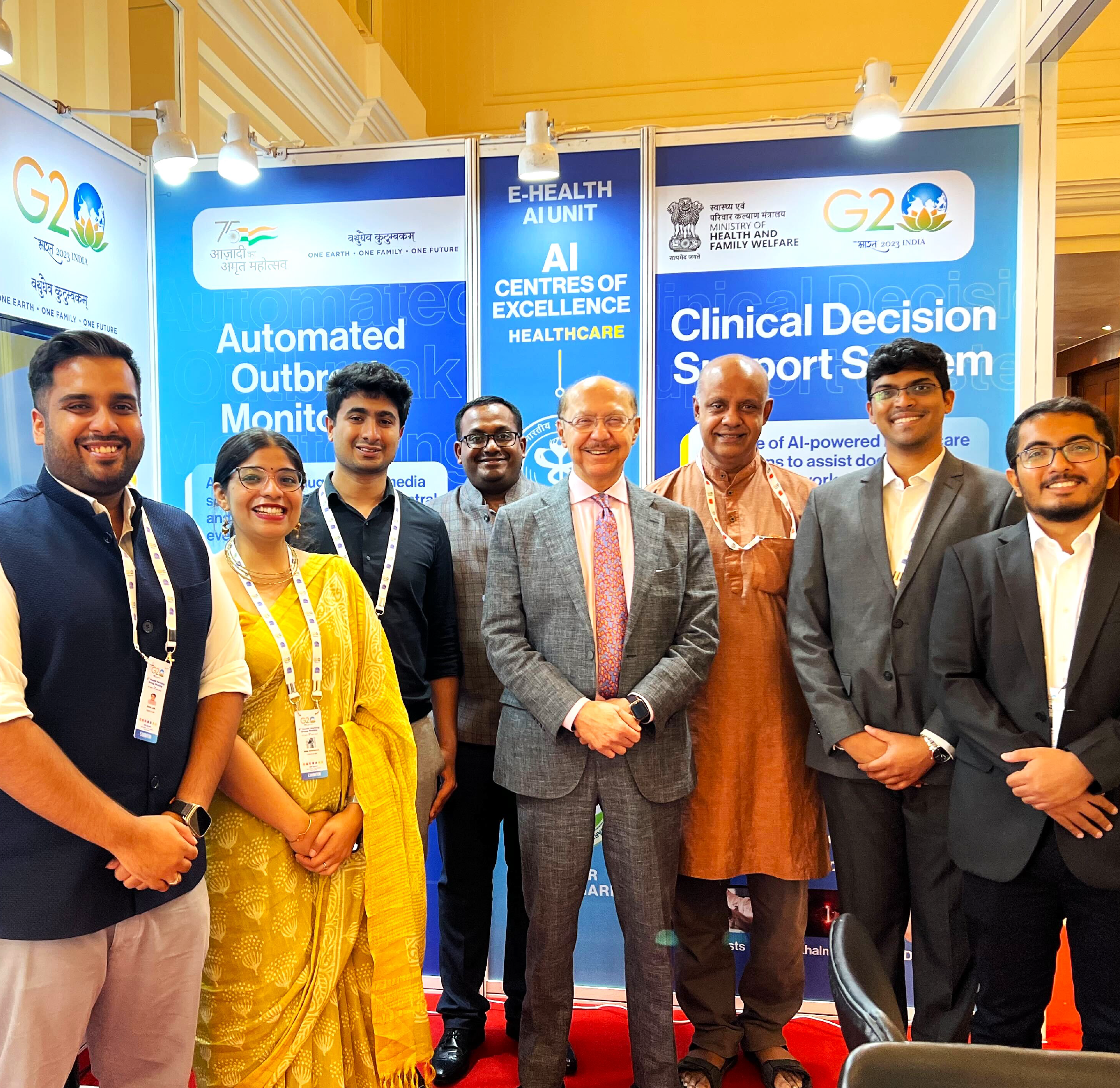
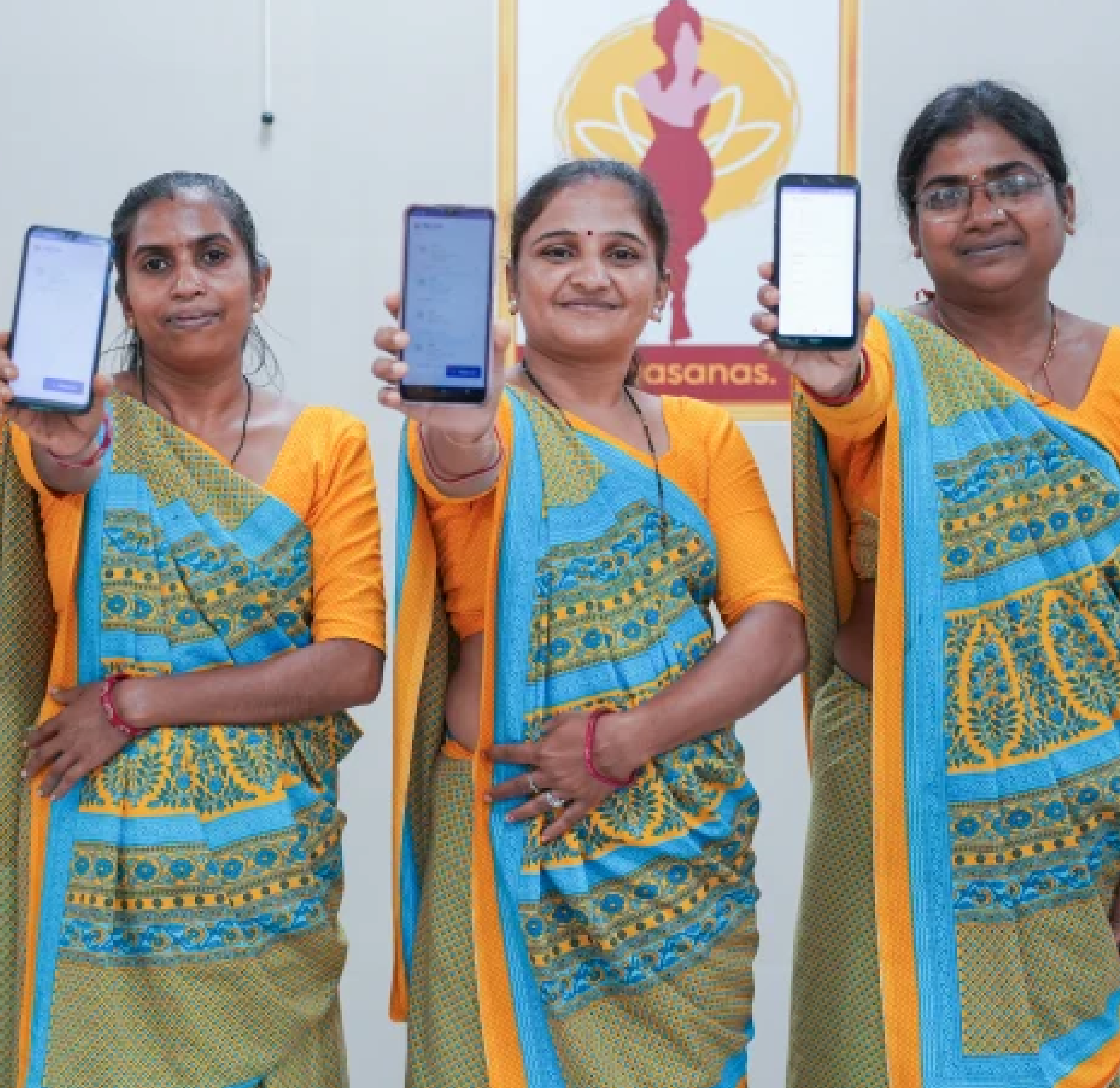
Rabina, a tuberculosis health worker at the Civil Dispensary in Manimajra, Chandigarh, begins her day the way she has for years: opening a pink register, scanning names, dates, notes written in a practiced hand. For 16 years, she has been moving through neighborhoods, tracking patients, following up, and persuading people to stay the course even when the medication is harsh and the progress slow. Sometime in 2023, her work became easier. Through an AI-enabled tool that draws on data from the Ni-Kshay portal, Rabina can now see which patients are most at risk of dropping out of treatment and which cases demand closer attention. While prioritization before AI relied heavily on instinct and experience, risk flags narrow the field now. Follow-ups have increased, with care becoming more targeted.
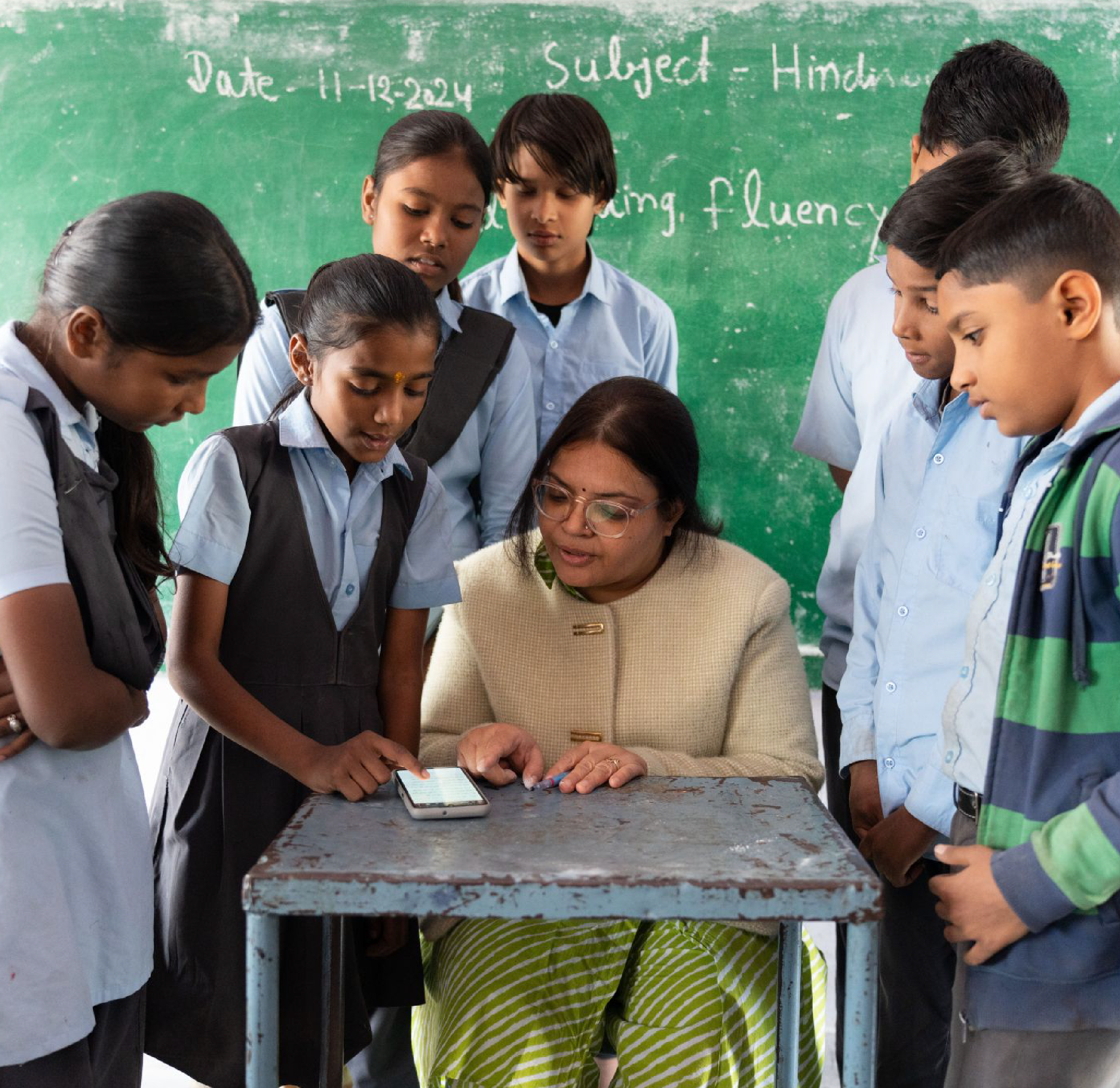
A few hundred kilometers away, in a primary school in Gujarat, the day starts differently. The first two periods are scheduled each day for students to read aloud in small groups, five or ten at a time, while a mobile-based application records, times, and analyzes their reading. Within seconds, the teacher knows not only how fluently a child reads, but where the struggle lies — whether it’s with hesitation, pronunciation, or accuracy. The tool, Vaachan Samiksha, automates oral reading fluency assessments, a task that teachers have long performed manually with printed passages, stopwatches, and handwritten tallies. It is now used across 30,000 government schools in Gujarat, integrated into the state’s digital learning platforms. The results are immediate. Students are visibly more engaged. Holding the phone itself is a source of excitement.
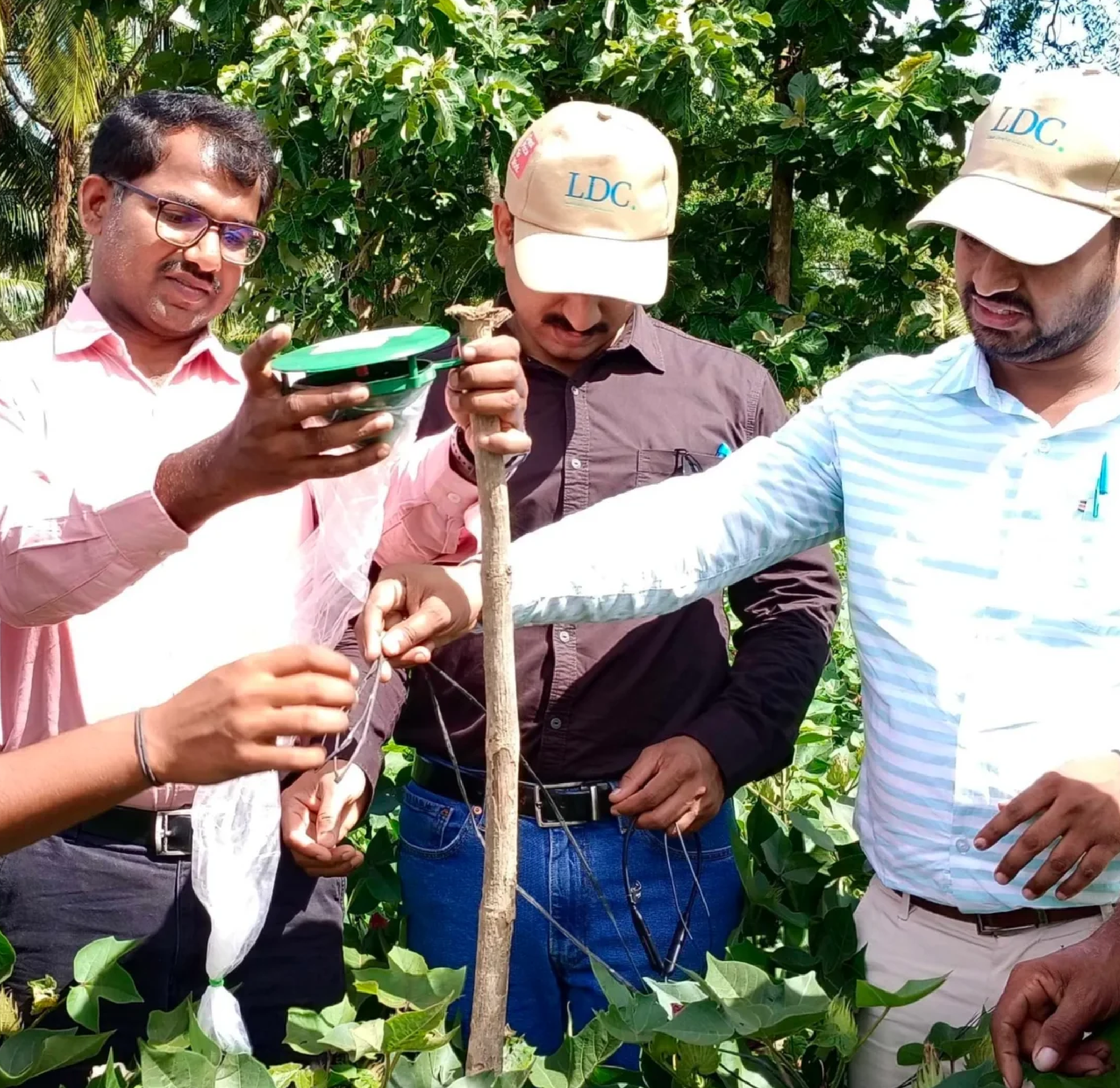
In several other corners of the country, and on an entirely different scale, farmers log on to the PM-KISAN website or app to ask questions, such as: Has the payment come through? Do I need to update my e-KYC? Why is my application pending? Until recently, each of these queries would add to the burden on block- and district-level officials who were already stretched thin. Now, many of them are resolved through Kisan-eMitra, an AI-powered chatbot launched by the Ministry of Agriculture and Farmers’ Welfare. Available in 11 Indian languages and accessible via text, voice, or clickable prompts, the chatbot answers tens of thousands of questions a day, routing only the most complex cases to human officials. The chatbot is one part of a much larger suite of agriculture-focused AI tools that currently reaches more than 1 million farmers — spanning grievance redressal, crop diagnostics, and data-backed advisories — designed to work at the scale of India’s smallholder economy.
What links these scenes across geographies and sectors — healthcare, education, and agriculture — is innovation, placement, and adoption. The technology operates inside public systems; they’re embedded in national programs and designed around existing workflows. They are outward-facing, oriented towards where they’re most needed — farmers, frontline workers, and educators. Taken together, these interventions share intent.
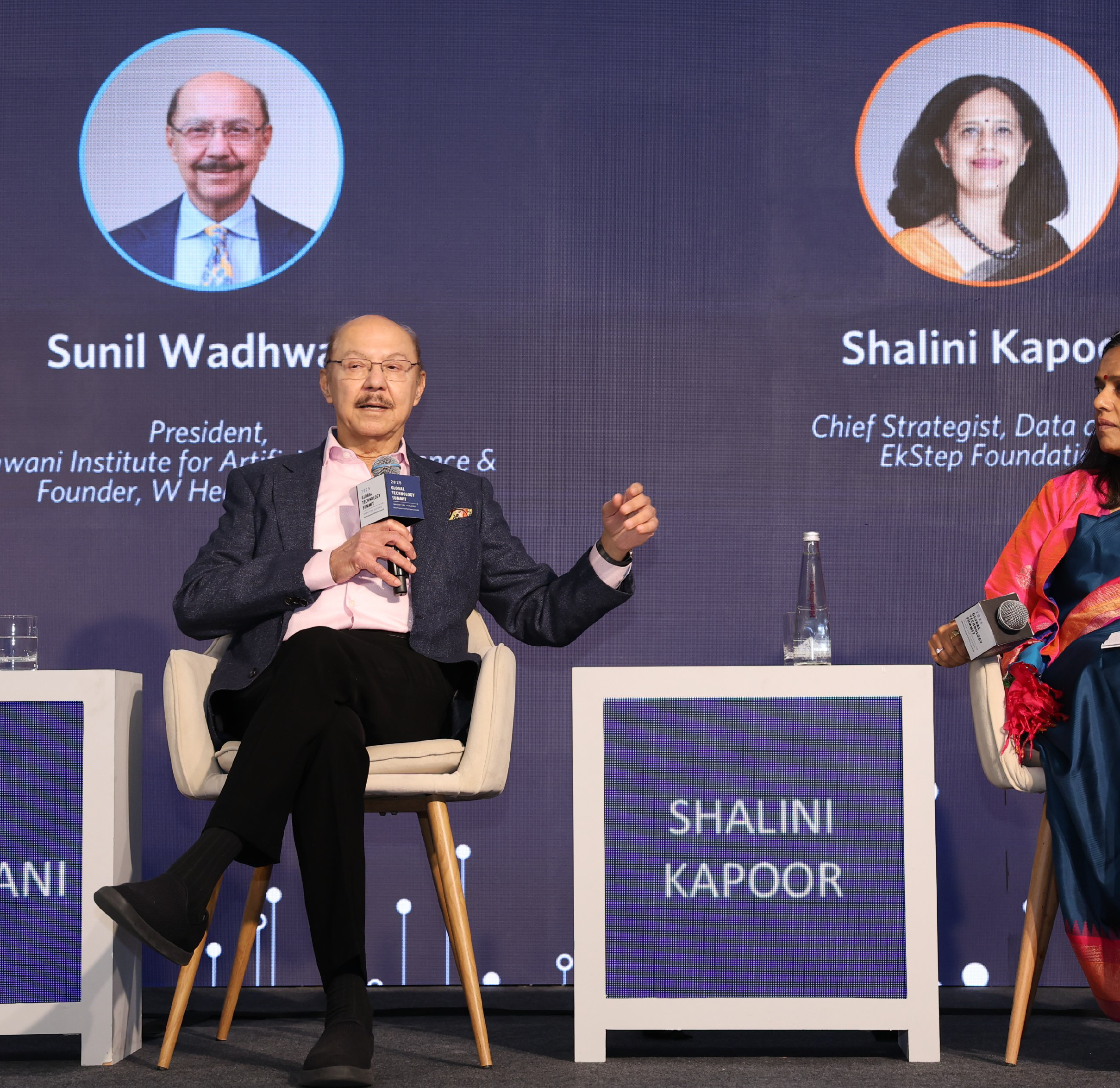
It was this ambition of building AI to solve complex social challenges by working with underserved communities that led Sunil Wadhwani — one of the earliest Indian diaspora philanthropists to commit long-term capital to India’s public systems — to set up Wadhwani Institute of Artificial Intelligence (Wadhwani AI / the Institute) in 2019. Over the past seven years, the organization has focused on developing AI solutions for social good in partnership with government ministries, state departments, non-profits, and academic institutions. Their emphasis has been on building adaptable tools that can function in low-resource settings and be trusted by the people using them. This approach has led to over 25 deployed solutions across nine government engagements, reaching an estimated 190 million lives so far, and counting.
Learning the Hard Way
Sunil Wadhwani traces his philanthropic impulse first to inheritance and memory. “I’m from Sindh,” he says, situating himself within a geography shaped by historic displacement. His maternal grandfather was the Surgeon General of Karachi, who later became the mayor of Karachi. His grandfather on his father’s side was a headmaster who ran the largest school in Sindh. “Even in those days — about 100, 120 years ago — they were setting up schools for women from low-income households,” he recalls, with a particular emphasis on education for girls and women, “because that was challenging at that time. I’d heard these stories growing up.”
But the impetus to give came much later. Sunil had grown up in India, studied at IIT, moved to the US, and built companies — first unsuccessfully, then with growing traction. His first venture, a healthcare medical device company, failed. “Five years after I started, it went down the tubes. I lost my life savings and so on,” he says lightly. The second company did better, informed by the lessons of the first. As he prepared to take it public, flying between coasts to meet fund managers, something shifted. “It just hit me how fortunate I’d been,” he says. “Being born into a middle-class family, post-partition, at a time when 90% of the people in India were poor.” Even more unusually at the time, his family was English-speaking. “I’ve just been very lucky — pure, random chance, the family I was born into. I could have been born a quarter mile away into a different kind of family, and life wouldn’t have been quite the same.” That awareness, sharpened over time, would later shape how he thought about deploying technology back home, particularly in sectors like healthcare and agriculture, where scale, trust, and everyday usability determine whether innovation holds. His own opportunities drove Sunil to want to do more for those less fortunate.
His first instinct was to work with NGOs in India’s healthcare sector, supporting capacity building and program expansion. “I was saying, ‘You’re doing a great program in 20 villages, how do we make it 50, how do we make it 100?’” Over time, however, he began to see that scale was shaped as much by context as by commitment. Many NGOs, he found, were doing deep, careful work within complex local realities, but were operating inside funding cycles and delivery models that limited expansion. “Many years later, though, I found that these NGOs, well-intentioned though they were with hard-working people, scaling was an issue for them. So finally, 10 years ago, I said, let me try and do this myself.” He began by setting up a public health initiative to strengthen primary healthcare systems, stumbled repeatedly, and learned where ambition exceeded reality. “The stuff that I thought would work absolutely didn’t work for the first couple of years.” What came, however, was a more grounded understanding of scale itself: “how you work with government, what you do, what you don’t do.”
Around the same time, as a trustee at Carnegie Mellon, Sunil was asked to help chart the university’s future. Surrounded by people who were developing AI well before its current prominence, he noticed a gap. “I could now see tens of billions of dollars going into AI research. But all of it was going into commercial research.” After confirming that the gap, in fact, did exist, the question became unavoidable: “How do we use AI to help the bottom 3 or 4 billion people in the world who make less than $5 a day?” The answer, eventually, was to build what did not yet exist. “I went to my brother,” recalls Sunil, “who has his own foundation, I have my own foundation. We're both believers in technology. He's also a tech entrepreneur. And I said, ‘Why don't we do this together?’ And he said, ‘Great.’” So, it came to be that six years ago, with his brother, Romesh Wadhwani, Sunil set up Wadhwani AI as an institution designed to apply AI where the market had not looked.
Social impact scales most effectively when philanthropies partner humbly with the government, leverage existing systems, and collaborate closely
“There are a lot of folks out there who are doing good work, giving money, but they expect the government to come running, and that they should say thank you. Well, no, the world doesn’t quite work like that.”
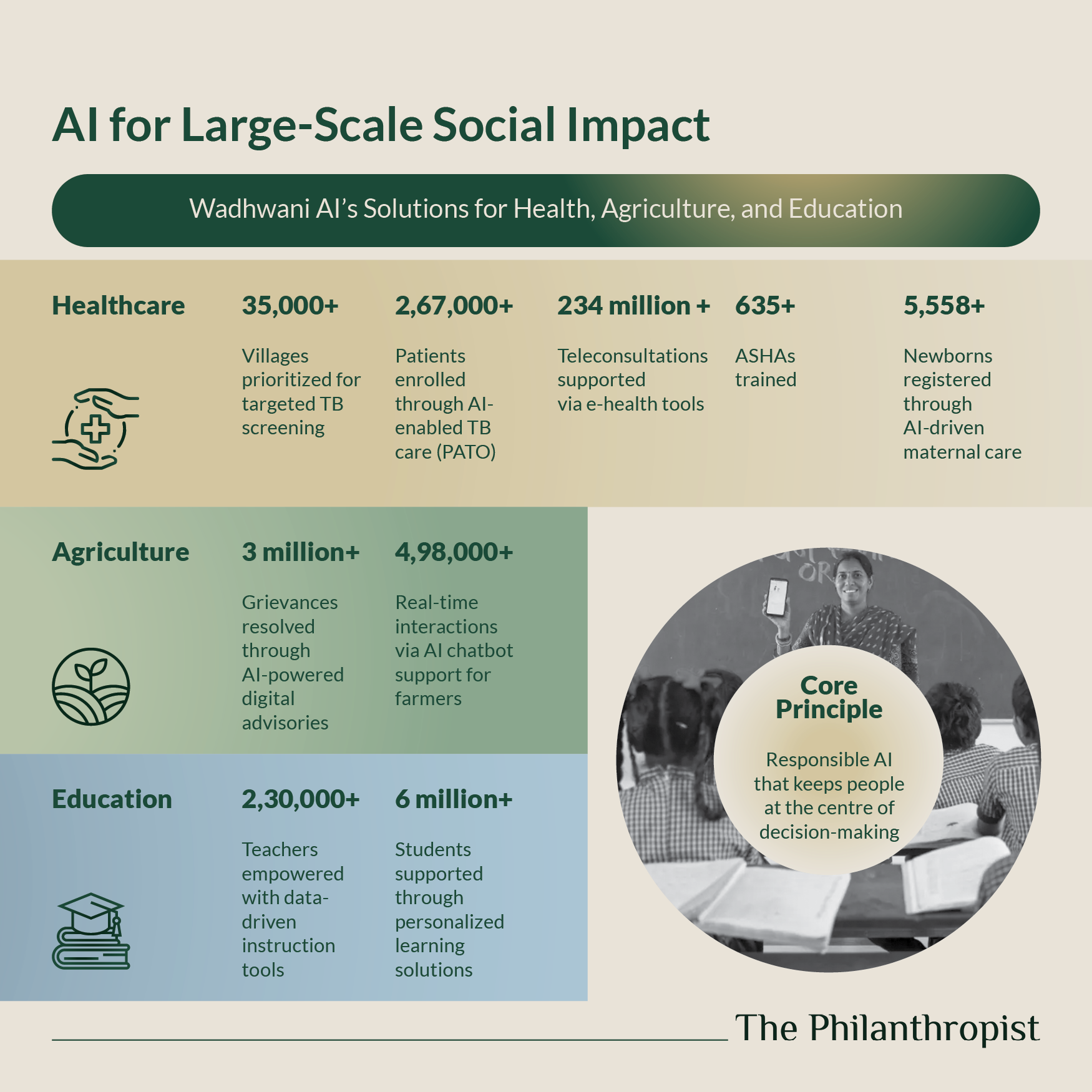
An overview of Wadhwani AI’s cross-sector impact
What the Wadhwani AI Model Gets Right
Since its inception, the founding premise of the Institute was clear: Wadhwani AI would not invent problems to solve. “It would be pointless for us to try and come up with our problem statements,” Sunil says. Instead, the Institute would work with government from the earliest stage — identifying national priorities, understanding data availability, and co-designing solutions that could realistically be deployed. This lesson has held consistently true for them: Scale, in India, is inseparable from the state.
“I would say the only way to get scale is through depth. And the only way to get scale,” Sunil says, “is by working very closely with government.” Wadhwani AI made it a point to work with government as a long-term partner — across ministries, across levels, across political cycles. That orientation is visible in how their solutions are applied. TB-CLAMP works off Ni-Kshay. Vaachan Samiksha strengthens existing pedagogies. Kisan-eMitra reduces the load on public systems. In each case, AI is positioned as infrastructure that has to survive contact with scale, bureaucracy, and daily use.
However, even with solutions that have found adoption inside government systems, Sunil is careful not to present scale as a solved problem. His own understanding of it has been hard-earned. He traces it back to his experiences in business — one company that failed, another that grew to 34,000 employees and $1.5 billion in revenue. “I had seen firsthand what it takes to scale,” he says. He assumed at first that those lessons would transfer cleanly to his philanthropy, but “I found, no, it’s not all that easy.” Where execution discipline in business offers a reasonable chance of success, philanthropy operates with far more variables.
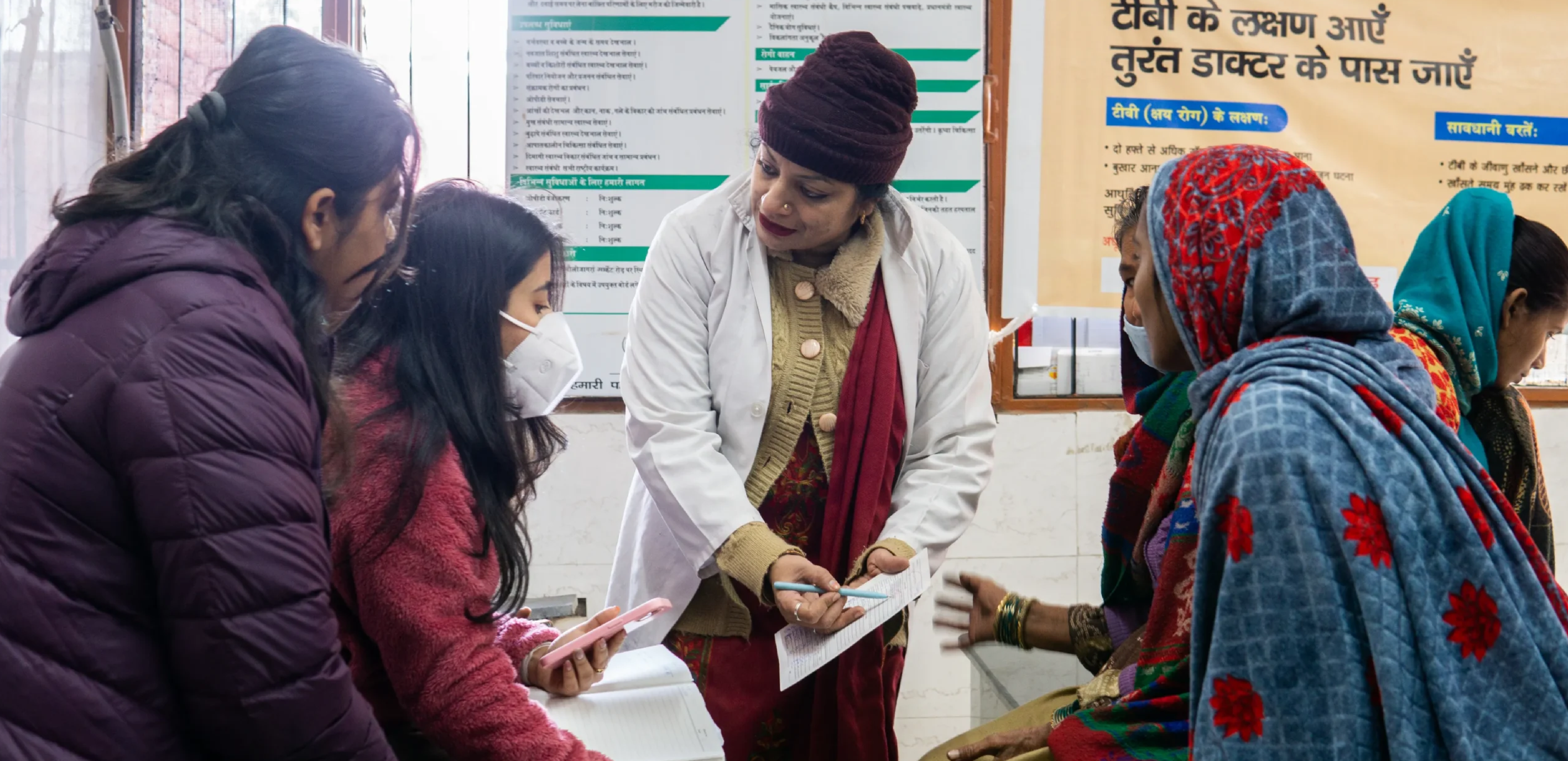
Exploring multimodal AI that connects audio, images, and text to build more accurate solutions - such as linking cough sounds with X-ray data for TB detection
Making a Case for Humility at Scale for India@2047
Over time, Sunil’s focus has widened beyond individual solutions to the conditions that allow them to hold. When discussing his learnings that can be applied to philanthropy of the future, he says, “Think big, think high impact. Think not just about solving a problem, think about developing an ecosystem to address that issue.” In areas like tuberculosis, maternal and child health, or farmer empowerment, no single initiative can carry the load. What lasts are networks of institutions, data systems, funders, and implementers that move in concert.
Running through all of this is a quality he returns to repeatedly: humility. “The world doesn’t quite work like that,” he says of philanthropy that expects deference or speed. Learning, adaptation, and respect for public systems are the price of durability. Seen from the vantage point of the national aspirations for a developed India at 2047, these lessons matter. It’s clear now that the country’s scale will reward neither spectacle nor impatience. What it will need to reach its development goals are institutions willing to build slowly, think carefully, and accept that lasting impact doesn’t always mean disruptions or breakthroughs; it would perhaps be more useful in the systems people use every day.


YOU MAY ALSO LIKE
Read more

_1028133513.png)
Read more
_1891054289.png)