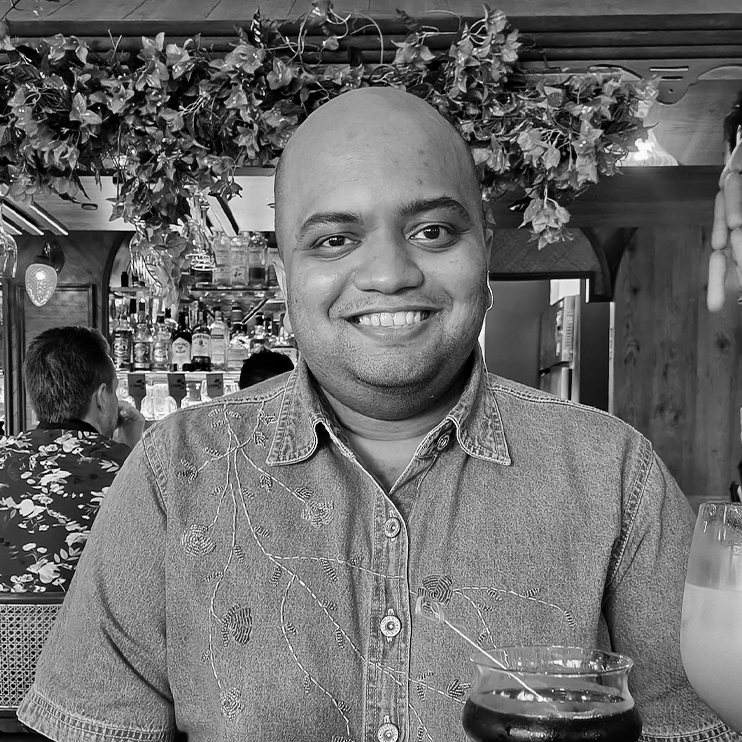
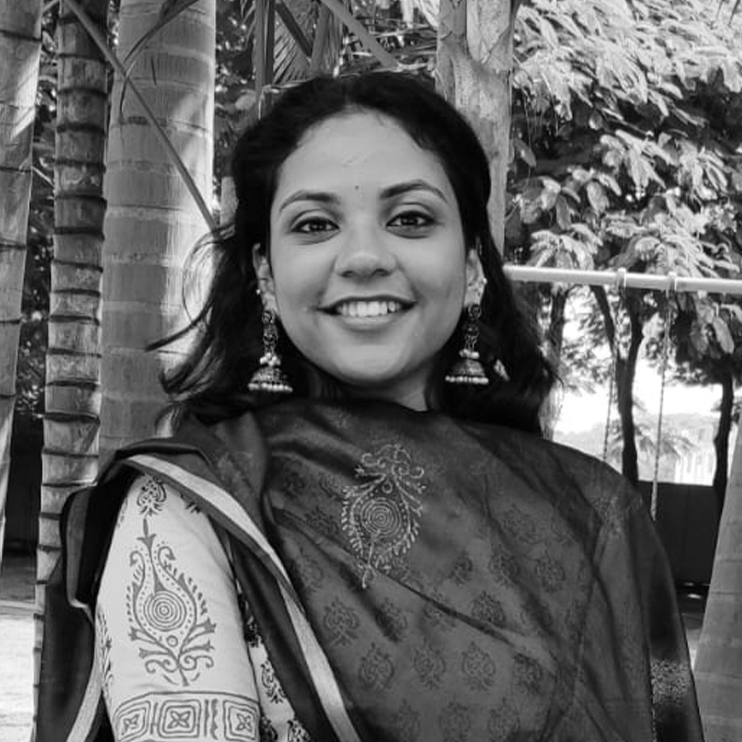
Around the Dinner Table: How the Aga-Pudumjees Built a Multi-Generational Philosophy of Giving
Family philanthropy is frequently misunderstood. While it’s typically assumed to be a legacy passed down intact, reality is rarely so seamless. More often than not, it is learnt over time, discussed, debated, resisted, reinterpreted, and consciously redesigned.
For the Aga-Pudumjees, giving has unfolded across three generations, shaped by personal loss, and eventually galvanized by passion, professional discipline, and a steady insistence on proximity to the work. What began as individual commitments, most notably to education, has since grown into a shared philanthropic portfolio spanning education, healthcare, and animal welfare. Along the way, the family has had to confront some predictable challenges in multi-generational giving: how to pass down values without prescribing outcomes, and how to make space for the next generation without diluting intent.
This is that story. About how a family stays aligned over time — how it absorbs new passions, formalizes decision-making, and accepts that continuity in philanthropy requires far more than intention — and their learnings along the way.
Growing Into the Work
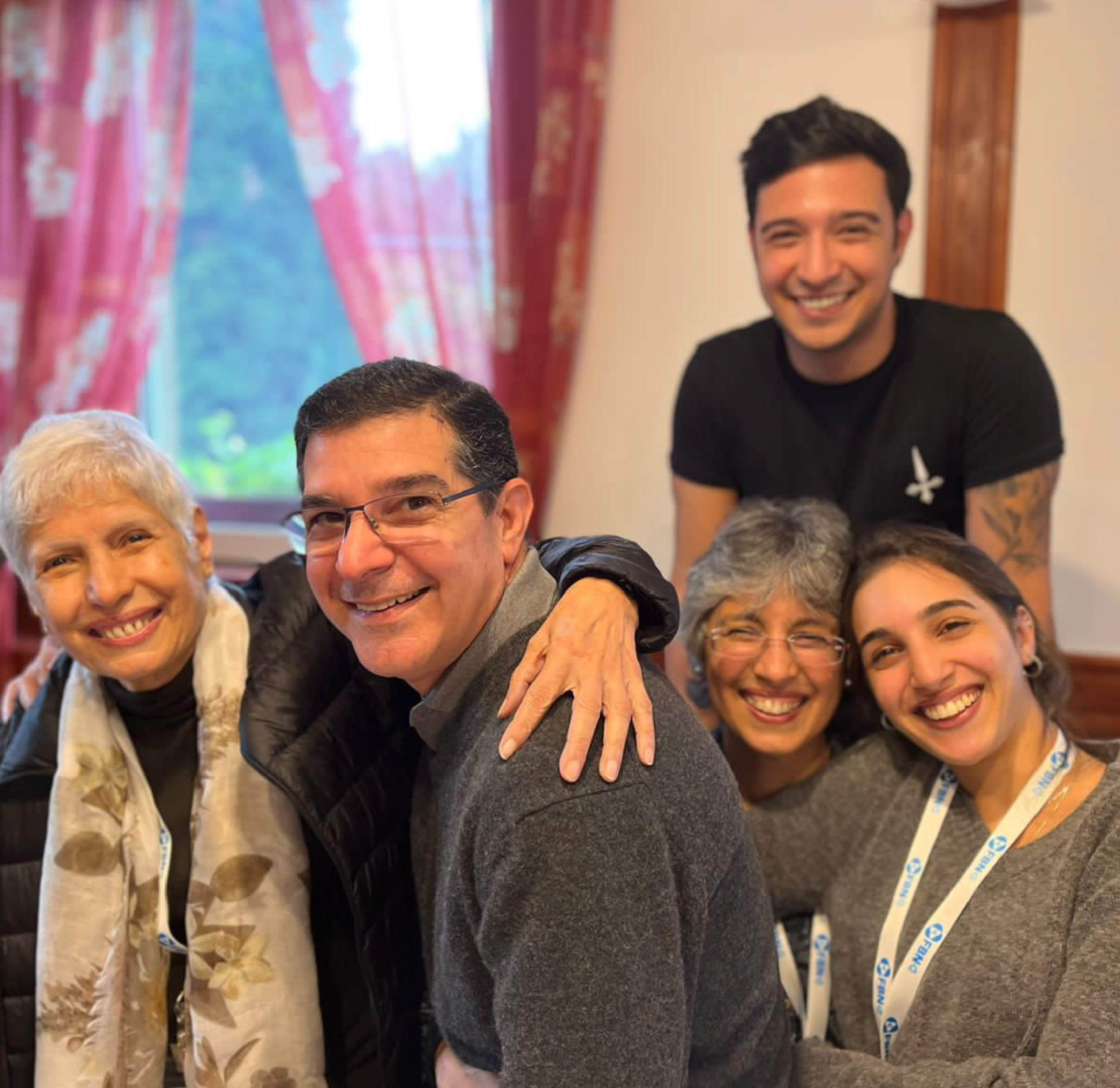
For much of Zahaan and Lea Pudumjee’s childhood, philanthropy was dinner-table conversation. Their parents, Meher and Pheroz, and their grandmother spoke often about education, inequities, and their work with organizations such as The Akanksha Foundation and Teach For India.
The effect, at least initially, was mixed. Their grandmother, Anu Aga, Chairperson at Teach for India and former head of Thermax who was awarded the Padma Shri in 2010 for social work by the Government of India, recalls that these discussions didn’t always land well. “They were quite fed up, listening to this all the time. I remember Zahaan once saying, ‘Anu, tell me what you want to do after you pass on and I’ll do it, but don’t keep talking about it all the time.”
Pheroz recognized the risk early: indirect exposure without actual involvement could lead to the younger Pudumjees becoming oversaturated, or worse, indifferent. “That’s when I felt they needed to understand what it was really about, and why Anu and Meher were so passionate about it.”
What shifted things was turning these conversations into lived exposure. Over the years, Zahaan and Lea spent plenty of time volunteering, eventually finding their own passions and working on their own projects. This way, philanthropy moved from something discussed around them to something experienced by them. Their involvement allowed them to develop their own convictions. While education continued to remain central to the family’s philanthropy profile through Anu and Meher, healthcare entered the portfolio more formally through Pheroz and Zahaan’s interests and animal welfare through Lea, each cause growing organically, backed by time, learning, and responsibility.
The lesson, the family realized, was that values travel across generations through participation much more than they do through persuasion or mere talk. Alignment almost naturally followed involvement. Ownership and passion followed the work. This holds just as true for the philanthropy ecosystem at large. For philanthropists and the organizations they support, sustained engagement often proves more transformative than clarity of intent alone — because commitment deepens when they are allowed to encounter it for themselves and listen to the voices of those directly impacted instead of being prescribed or instructed to.
Lea Pudumjee at the Thermax Eco House
“Some passion projects go beyond impact metrics, but we try to ensure maximum impact with the resources we provide.”
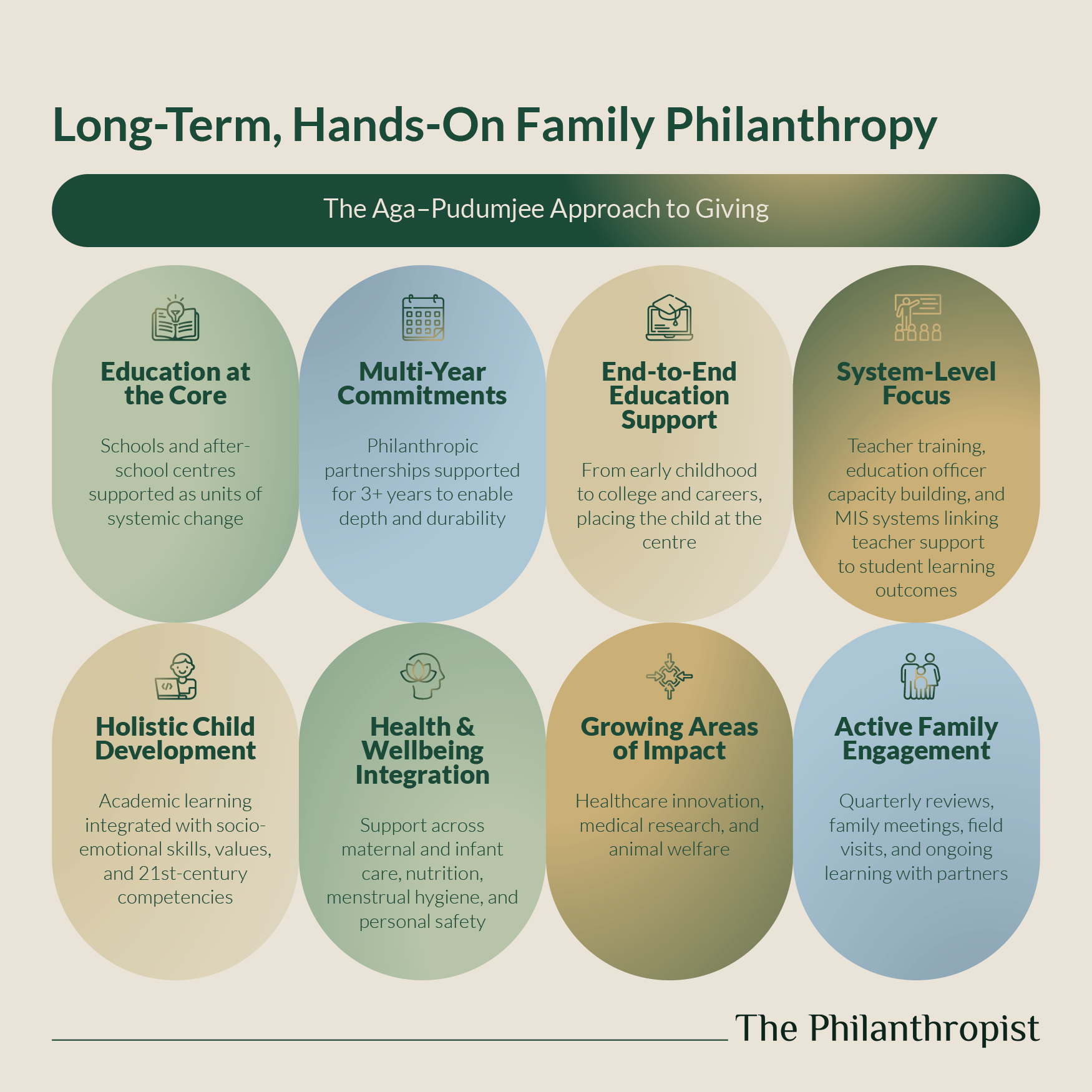
The Aga–Pudumjee family’s approach to philanthropy, centred on education, systems change, and sustained family engagement
The Early Foundations
Philanthropy entered the family lexicon long before its formal structures did. Anu’s early years at St. Xavier’s as part of the social service league and her time at the Tata Institute of Social Science exposed her to the complexities of poverty and inequity. But a decisive shift in her perspective occurred after the sudden death of her 25-year-old son, Kurush, only a few months after her husband passed away. Kurush, an engineer who had studied and worked abroad, was deeply concerned about poverty in India. He proposed that the family should give away 80-90% of their earnings, to which Anu retorted that he could give away his own once he started earning. Unfortunately, a few months thereafter he passed away. His death compelled Anu to actively pursue the work. She enlisted the help of Meher and Pheroz, and when she later encountered Shaheen Mistri’s work at Akanksha, she became deeply involved in bringing the Akanksha center model to Pune.
Meher, too, had philanthropy built into her upbringing with her mother being her “biggest inspiration”. She grew up volunteering at Mother Teresa’s Home and Ishaprema Niketan, along with Kurush, also helping raise small sums of money by putting up plays with their close friends, selling lemonade and cake in the intervals. She recalls, “When I was about seven, we suddenly had two young boys from the streets brought home. I remember my mom saying, ‘I've spoken to the parents of these two boys; I want them to come into our home, go to a good school; I want to try and change their life for the better.’ I found the whole situation quite strange, but we all went along with it. And, within a week, these two boys actually ran back to the streets because they preferred it.” When Anu brought Akanksha’s work to Pune, the first center was set up at the Thermax office, and over time, Meher became deeply involved.
For Pheroz, early exposure came from watching both sets of grandparents and parents engaging in charity work when he was growing up, but he didn’t see it as philanthropy until he encountered how Meher’s family did things. “Of course, when I married Meher and got to know the family better, Anu had a big influence in terms of the way she's been focusing on education through Akanksha and the other NGOs that we support. So that was my first experience with giving.”
By the time Zahaan and Lea arrived, the values were firmly in place. Anu and Meher were deeply entrenched in education, and Pheroz already had healthcare organizations that he supported. Lea says, “I speak for Zahaan and me both—our parents and, of course, my grandmom, have been a huge influence. We saw them practice philanthropy from when we were quite young."
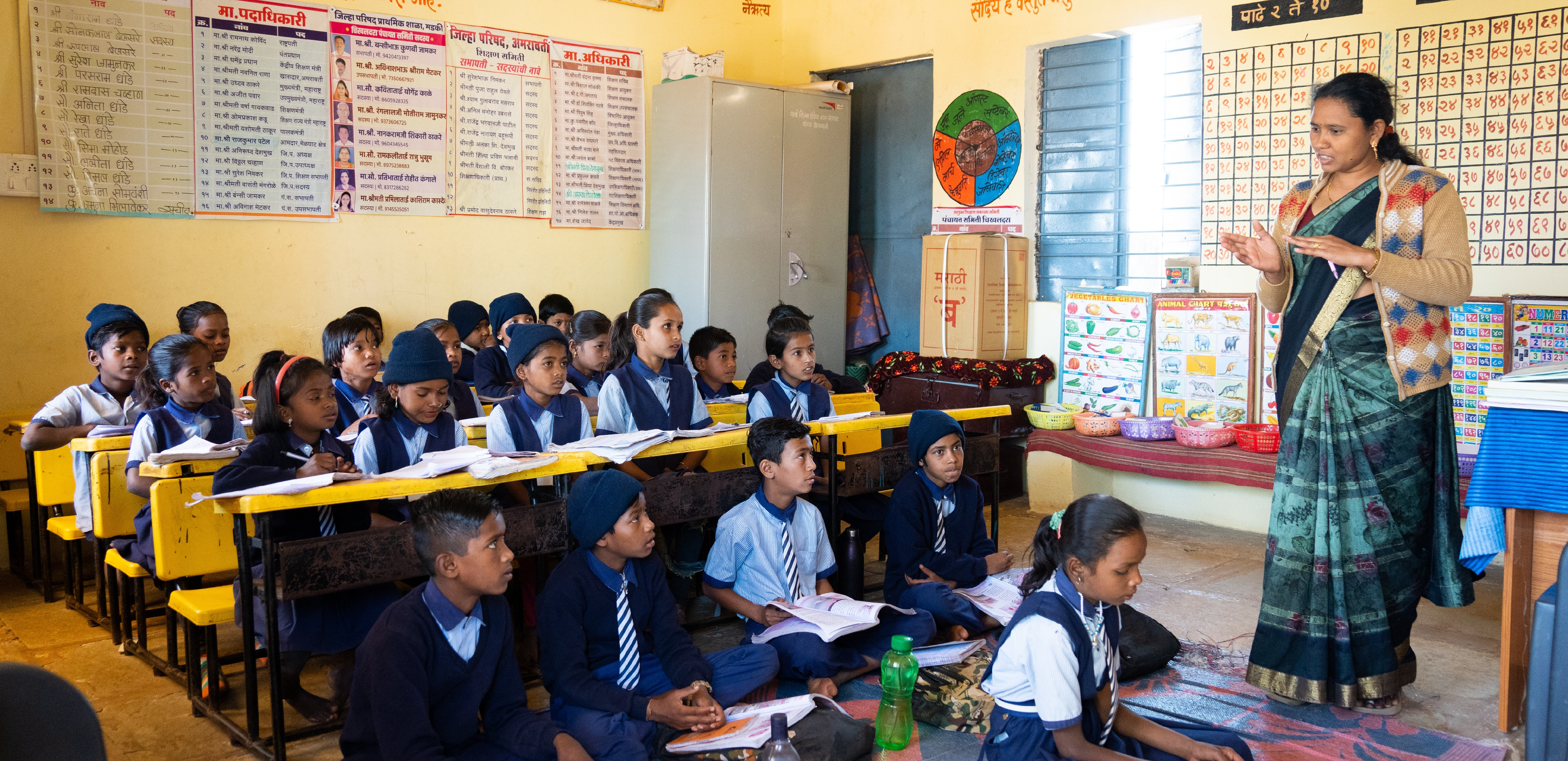
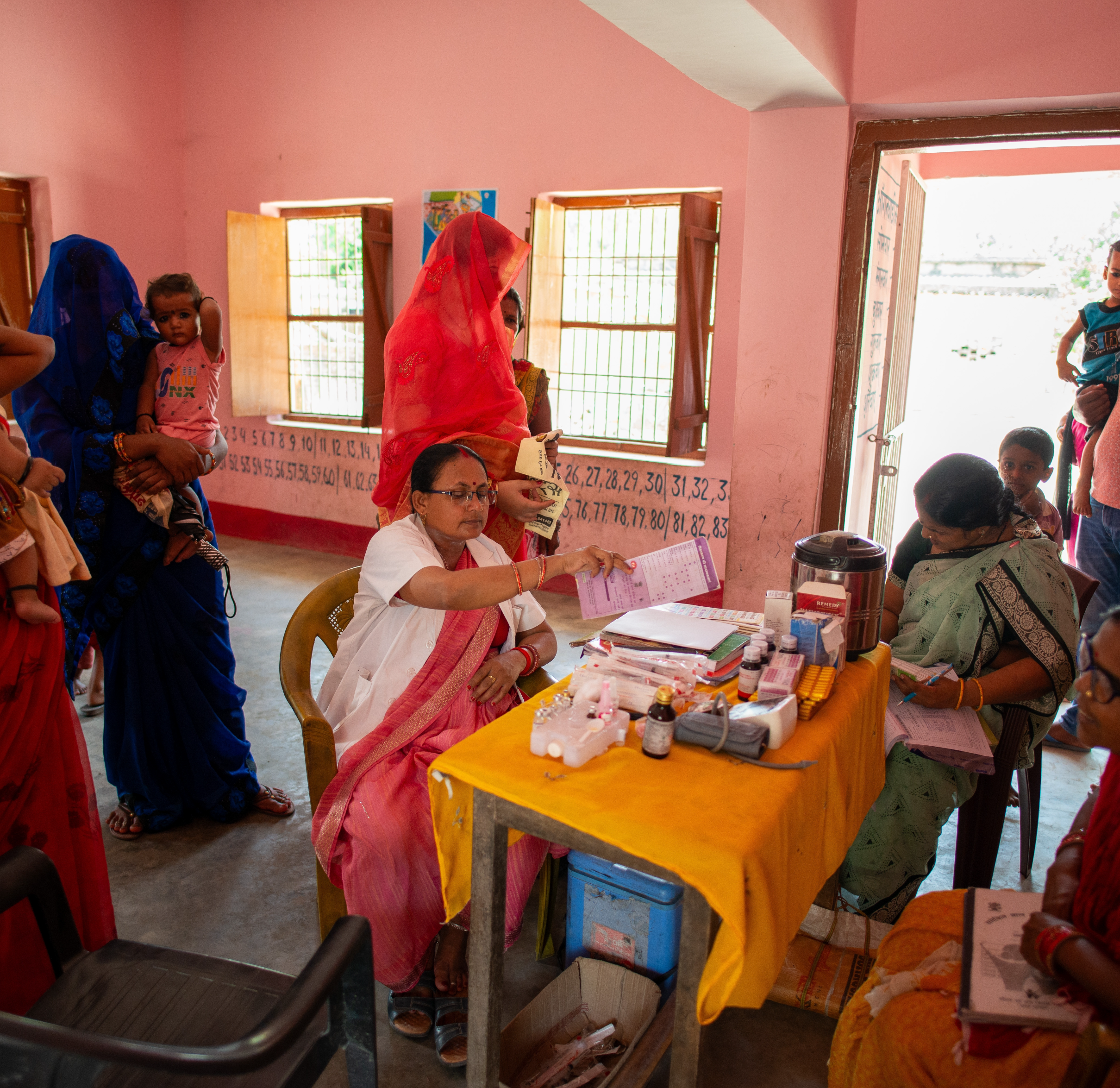
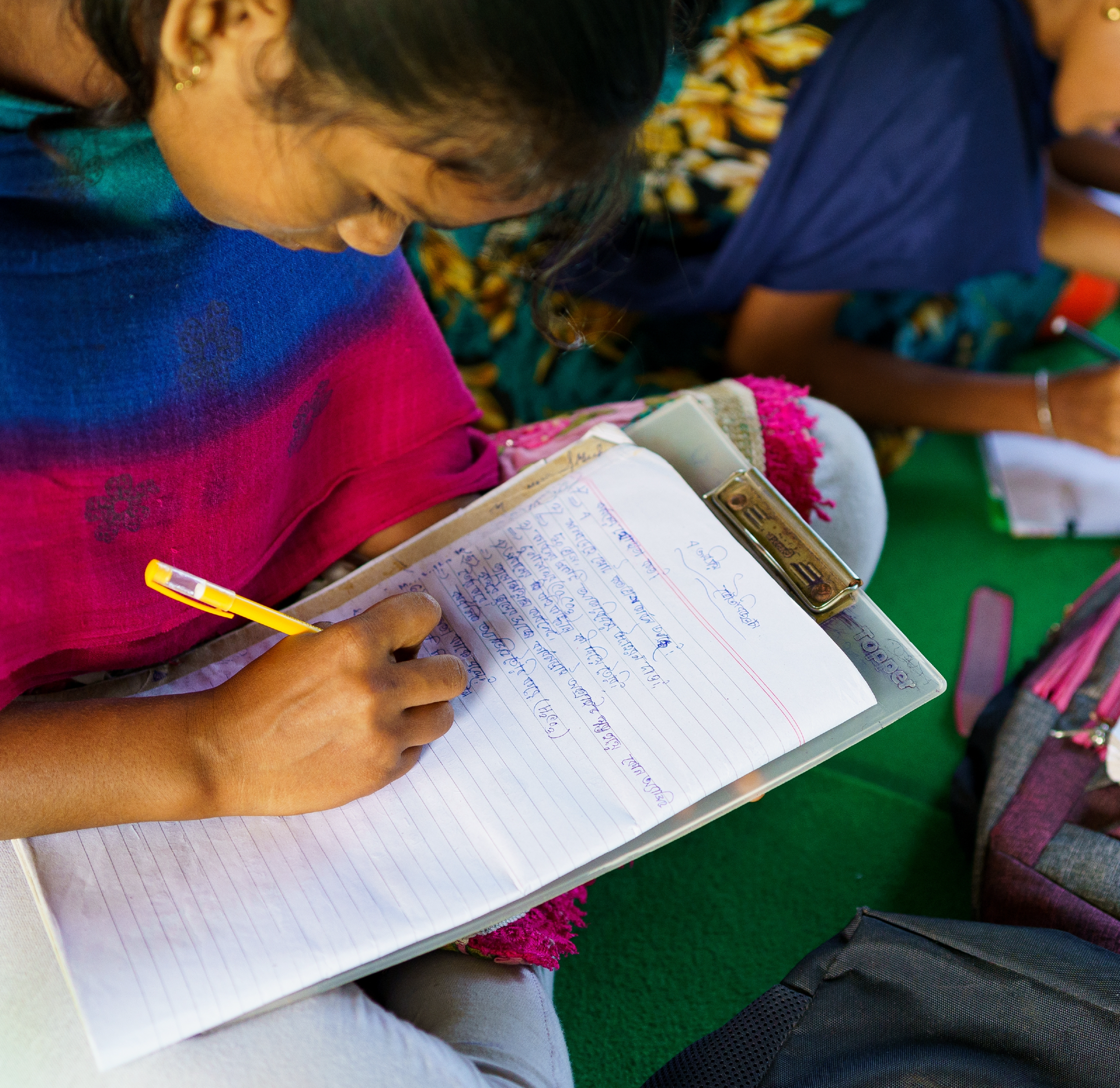
An everyday classroom scene that mirrors Anu Aga’s philosophy: when children are given attention, respect, and opportunity, possibility follows
Discipline Without Distance
Before entering any partnership, the family applies a consistent set of filters: the founder’s passion and commitment, clean and transparent governance, a clear vision, and a model rooted in real needs. The work they support must be grounded in the lives of the people it seeks to serve, with feedback loops that keep organizations honest about their outcomes.
Meher notes the continuity of values across their worlds: “One of the most important aspects for us has been values remaining constant… governance and transparency being critical… whether it's in business or the NGO world.”
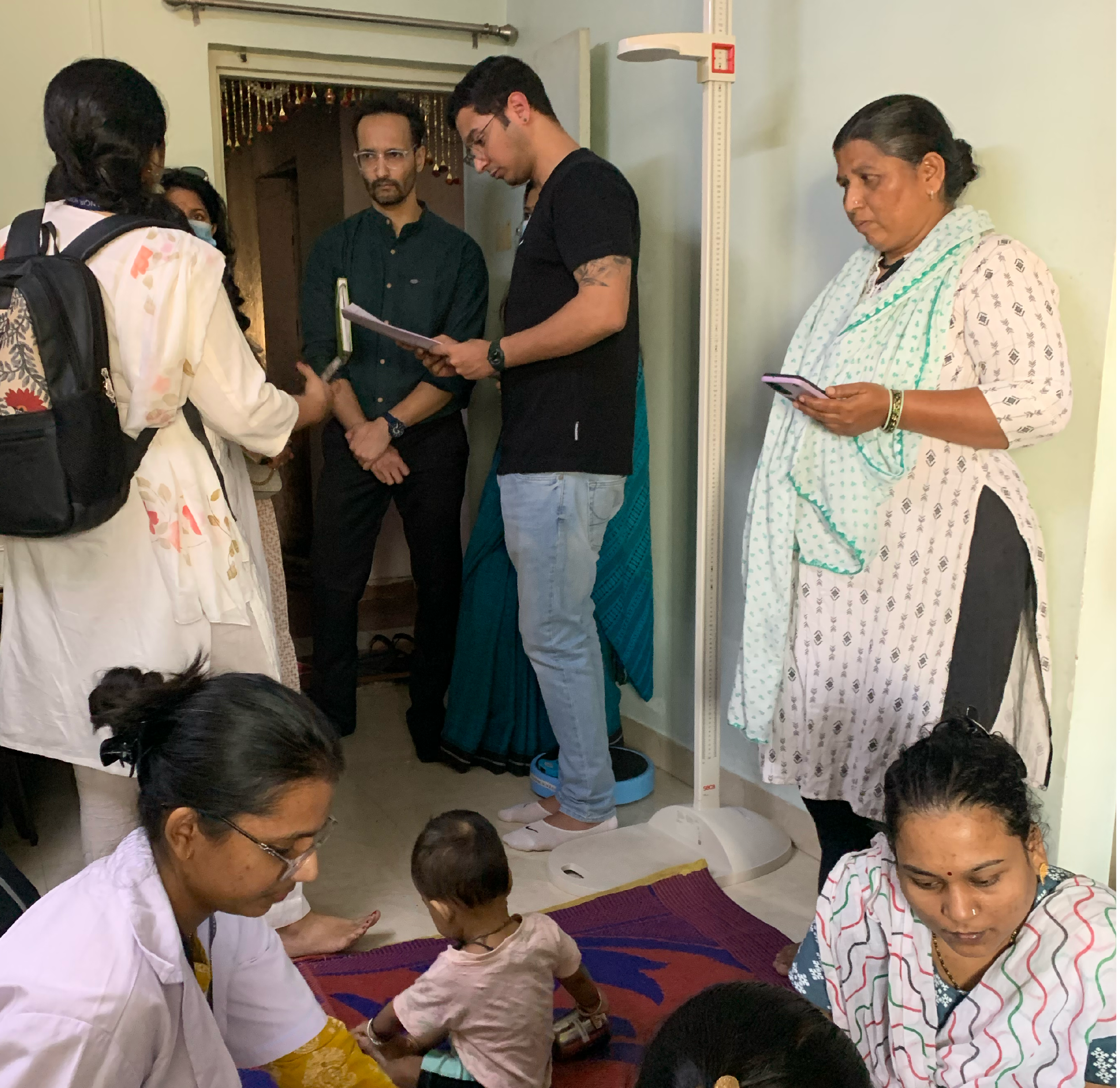
To manage complexity without losing proximity, the family has professionalized its processes over time. Their Head of Philanthropy, Anagha Padhye, anchors this effort — coordinating quarterly reviews with NGOs, internal meetings, a family philanthropy newsletter that captures on-ground stories, and occasional family field visits. She also creates learning spaces for organizations working in similar areas, so that they can learn best practices from one another.
It’s what intentionally prevents the family’s focus areas from becoming isolated, helps them stay collectively informed, with each member remaining deeply aware of what the others are building. It’s how learnings from education inform thinking in healthcare, and how insights from animal welfare sharpen questions around governance and community engagement elsewhere. The intention is permeability — ensuring that knowledge, questions, and accountability travel across causes, even when focus areas remain distinct.
Lea is direct about what accountability means in practice. “There have to be very clear-cut goals, very clear monitoring. And if they’re not able to meet those goals time and again, then we need to re-evaluate, which we would do in business as well.”
Pheroz echoes the role of structure in preventing drift. “When it comes to getting a business mindset into philanthropy, it helps bring structure. Otherwise, you’re spreading yourself thin by doing things all over the place. It’s important to start inside, see locally what you’re doing and the impact you’re making, and then think about replicating that model elsewhere.”
The Road to 2047
By the time the Aga–Pudumjees began thinking about 2047, their conclusions were already narrowing. Decades of working across education and healthcare, and more recently in animal welfare, has taught them less about what philanthropy could do than about where it consistently falls short. The question for them is no longer how to grow faster, but how to grow responsibly — and when philanthropy needs to step aside, so that systems can step in.
Their view of the road ahead is shaped by one central conviction: scale without collaboration is insufficient. Depth, rather than spread, is what creates the conditions for meaningful reach. For Anu, this lesson emerged early and has only sharpened over time. “I would like to go into meaningful depth in the areas where we are,” she says, “and collaborate with other NGOs in the same sector, so that we can widen our reach. Because no amount of philanthropy can reach the whole of India. It can only happen if we have effective public–private partnerships with accountability.”
That understanding frames how the family thinks about systems rather than projects. Meher Pudumjee often returns to the distinction between activity and change — between funding initiatives and shifting outcomes. “Imagine the amount of money that is coming into this sector,” she says. “How can everyone come together to actually change the social landscape, instead of just funding projects?” For her, progress is visible only when it alters lived realities: whether girls stay in school longer, postponing marriage; whether compensation norms shift; whether organizations are allowed to build reserves without suspicion. Project Setu, the Akanksha-led program operating across 100 government schools, is one such example — designed not as a high-touch intervention, but as a model that strengthens teachers, school leadership, classroom experience, parent participation and socio emotional learning within existing public systems.
Pheroz emphasizes structure as the road to scale and collaboration. Years of working at the intersection of operations and outcomes have convinced him that we should be looking at things in a more scientific and structured way. “Why hold on to data? Why not share it?” For him, too, government platforms, when engaged seriously, can act as force multipliers, particularly in areas like healthcare, where prevention remains far more effective and economical, than cure.
From the next generation, the concern is less about direction than about how the sector functions day to day. Lea and Zahaan point to the structural habits that can limit collective impact: fragmented efforts, parallel models developing in isolation, and limited incentives for collaboration across stakeholders. Lea often returns to a central question — how can conditions be created for organizations working in similar areas to learn from one another and move together? Zahaan adds that this requires periodic reassessment: sharing what works, letting go of what doesn’t, and adapting parameters as contexts evolve.
Taken together, the family’s view of 2047 rests on a few hard-earned beliefs learnt through a steady value system: that building institutions matter more than isolated initiatives; that collaboration is slower but unavoidable, and in fact, encouraged; and that time spent — with patience, discipline, and by sharing it — is philanthropy’s most underused resource. Their own giving reflects this posture: staying close to the ground, sharing what works, holding themselves and their partners accountable, and resisting the temptation to confuse activity with progress. Their philanthropy is the practice of these principles. In a country as large as India, they see their work as “a small drop”. What matters to them is how deliberately this drop is placed.


YOU MAY ALSO LIKE
Read more

Read more
_374152232.png)
_508391263.png)